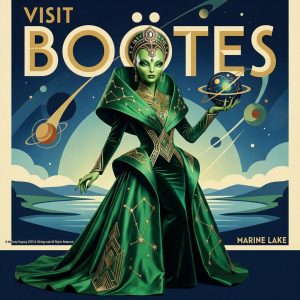
Marine Lake: Boötes and Beyond a Comical Cosmic Error, astonishing as my claims may seem, they present what could be characterized as a possible “comical cosmic error,” revealing the profound implications of such a potential misidentification — both scientifically and conceptually.
The Boötes Void: A Cosmic Enigma
Boötes, a ubiquitous constellation shimmering in the northern skies, is famously home to the Boötes Void, a colossal region characterized by its scarcity of galaxies, spanning a staggering 250 to 330 million light-years in diameter. This vast emptiness, one of the largest known voids in the universe, raises various questions about the civilizations purportedly emerging from it. If these beings indeed hail from Boötes, particularly from within this cosmic desert, one cannot help but ponder the implications for their civilization and technological advancement. Just imagine the distances separating potential star systems within the void; the technology required to traverse such expanses would warrant a level of sophistication that stretches beyond our current scientific grasp.
The Comical Cosmic Error: Layers of Intrigue
The idea of a “comical cosmic error” presents my creative power house of a mind with mesmerizing depth to the situation. What if these beings genuinely believe they are from Boötes, yet their true origin lies elsewhere? Such a scenario opens the door to an array of possibilities:
Misinformation or Misunderstanding:
These aliens could be operating under mistaken assumptions about their origin, plagued by historical inaccuracies or misconceptions about galactic geography. It draws a stark parallel to our own human precedents of exploring the world, where early civilizations held wrong beliefs about their own surroundings.
Linguistic and Translational Challenges:
The communication during such an encounter is fraught with potential barriers. The term “Boötes” might merely be the closest symbolic equivalent in their lexicon, obscuring a far richer and nuanced representation of their true cosmic home. The complexities of interspecies communication, especially across the vastness of space, are often starkly underestimated.
A Tactical Deception: I then consider the possibility of deliberate misinformation, the claim of origin from Boötes may serve as a ruse designed to mislead or assess human understanding. This tactic could fall within a broader strategy of non-interference, with motivations ranging from benign curiosity to more intricate cosmopolitical goals.
A Misunderstanding of Cosmic Dimensions:
It might seem improbable for such an advanced civilization to mistake their own cosmic origin. However, if their concept of the universe is fundamentally different from ours, based on dimensions we have yet to comprehend, our earthly cartography may hold little meaning in their worldview.
This staggering “error” highlights a truth about our anthropocentric inclinations—while we project our own scale of understanding onto cosmic phenomena, beings capable of interstellar travel might find our constellations trivial, akin to the distinction between two familiar towns for us. However, such a shift in origin carries the power to reshape our perception of these beings, their intentions, and the very nature of their society. From these beings I learned, life on other planets may be classed as local regions of governance, in a wider governed multiverse.
Scientific and Philosophical Reverberations
From a scientific perspective, any confirmed extraterrestrial encounter would catalyze a transformative upheaval across numerous fields. The study of their technology, biology, and culture would compel us to reevaluate our assumptions. Yet, my “cosmic error” adds a distinct layer of complexity, necessitating scrutiny of our methodologies for interstellar communication. It forces us to confront the limitations of our understanding and our readiness to accommodate the extraordinary.
Philosophically, such encounters challenge our deeply ingrained anthropocentric views of the universe. The notion that an advanced civilization might grapple with uncertainties regarding its origins fosters startling inquiries about truth and knowledge itself. It implores us to reassess our historical narratives, each fraught with potential for similar “errors” in our own understanding of who we are in this boundless cosmos.
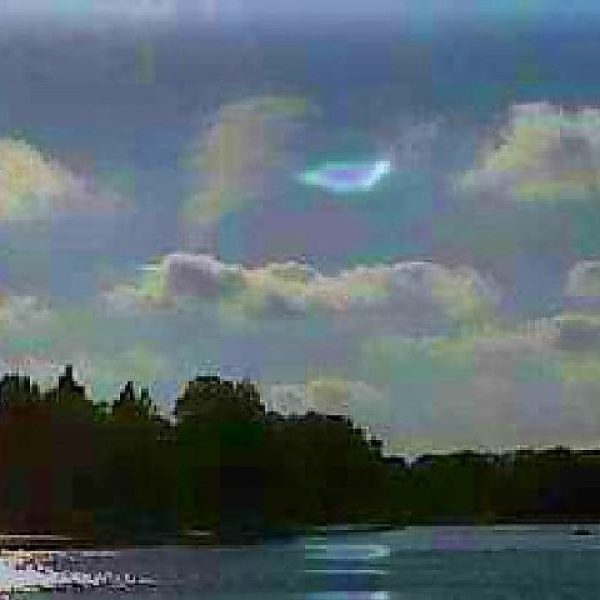
In closing, the alleged encounter at Marine Lake, coupled with the enigmatic claim of Boötes, serves as a rich thought experiment. It highlights the infinite unknowns of the cosmos and invites contemplation on how we might begin to interact with and grasp these profound truths. The “comical cosmic error,” in this light, reflects our own limited human perspective as we engage with the profound mysteries of the universe—a tantalizing glimpse into the possible intersections of existence beyond our earthly confines and it begs the question will she return to tell me more.