
World UFO Day: Recognising the Human Cost of Contact
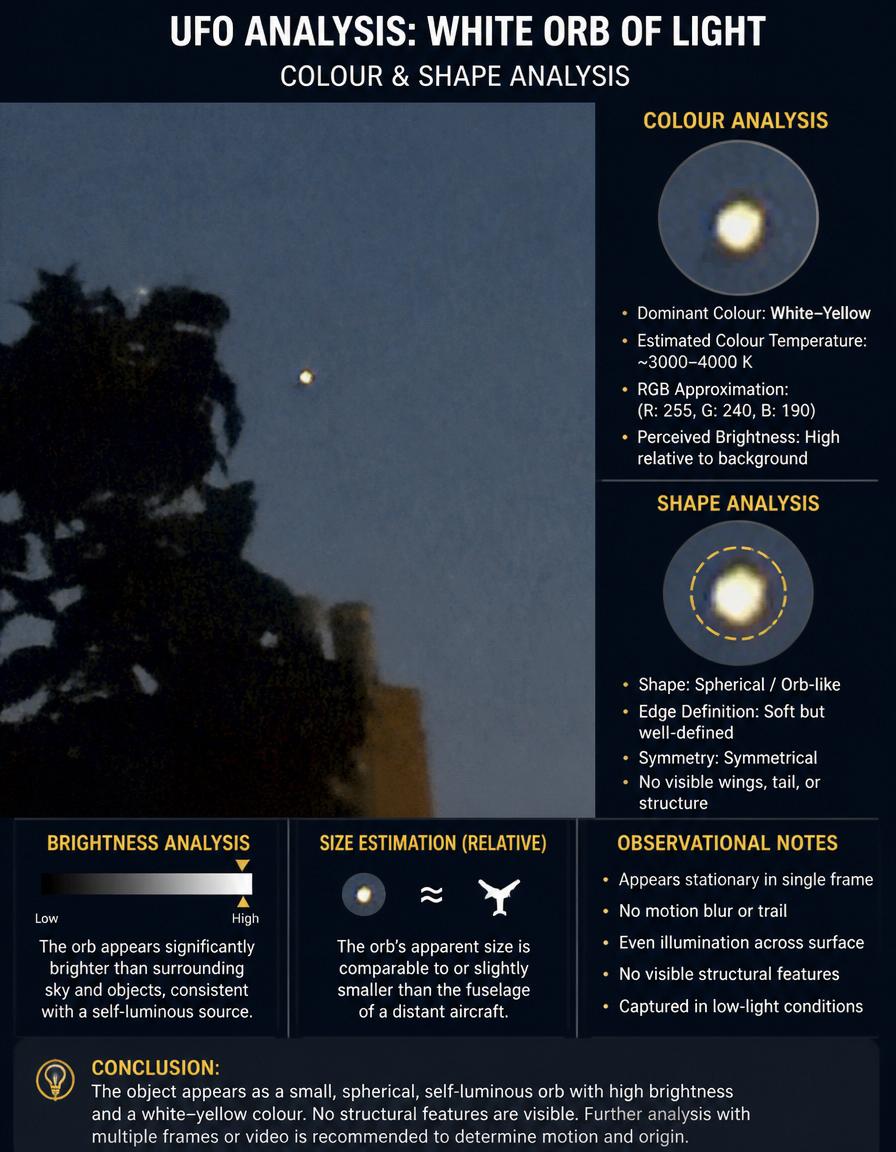
Tomorrow, July 2nd, marks World UFO Day — a date chosen to commemorate the 1947 Roswell Incident. Traditionally, this day encourages governments to declassify their knowledge about UFO sightings. But as we look to the skies, perhaps we should also look closer to home — at the human beings whose lives have been forever changed by these encounters, and at a mental health crisis that has gone largely unrecognised for too long.
The Hidden Trauma of Contact
For decades, those who have come forward with UFO contact or abduction experiences have faced ridicule, dismissal, and isolation. But beneath the stigma lies a profound truth: these are people carrying real psychological wounds that deserve compassion, not contempt.
Carole A Smith has argued compellingly that those traumatised by mind control — whether through UFO contact, military experiences, or abduction phenomena — should be recognised as a mental health matter. Her central premise is that validation is a critical part of healing. When individuals are dismissed as delusional or fraudulent, their trauma deepens. The psychological impact is compounded not just by the experience itself, but by the societal response to it.
This resonates deeply within the UFO community. The literature shows that UAP encounters have tangible human impacts on physical and mental health — including psychological trauma. In a society that does not officially recognise non-human intelligences as real, these encounters are existentially disruptive and often traumatic. Clinical assessments reveal a complex psychological profile that often defies simplistic categorisation. Yet rather than receiving appropriate mental health support, contactees are frequently pathologised or dismissed entirely.
Paul Bennewitz: A Cautionary Tale
Perhaps no case illustrates this tragedy more vividly than that of Paul Bennewitz.
Bennewitz was no gullible fantasist. He was an American businessman, a physicist with a PhD, and a radio electronics engineer who had served in the Coast Guard during World War II. He founded his own successful company, Thunder Scientific. In the 1970s, he became a member of a civilian UFO investigation group.
In 1978, Bennewitz began detecting what he believed were signals from alien spacecraft near Kirtland Air Force Base in New Mexico. What happened next is one of the most disturbing chapters in UFO history — not because of aliens, but because of what humans did to him.
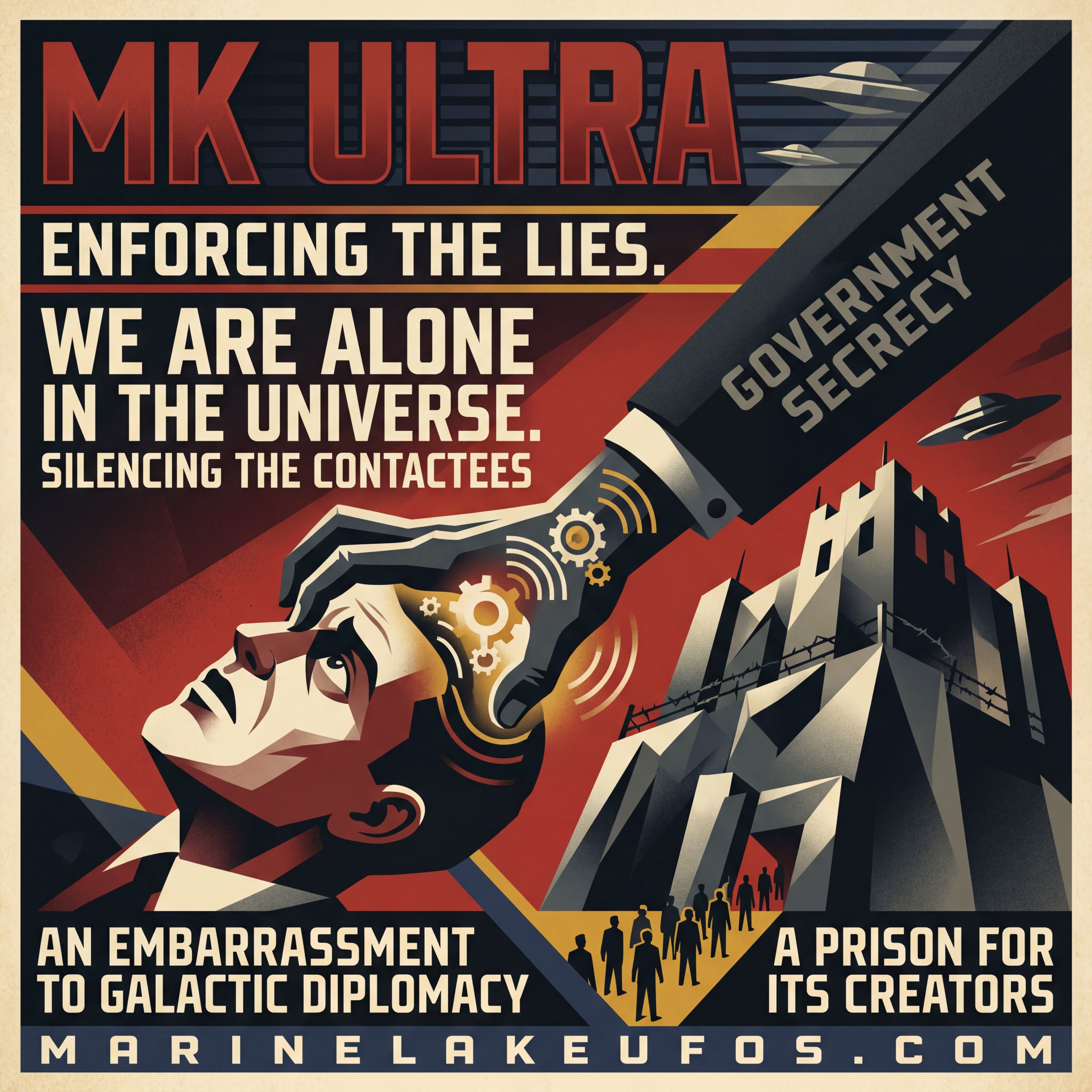
Government agencies, including the NSA, CIA, and Air Force intelligence, deliberately fed Bennewitz false information about alien bases, cattle mutilations, and government-extraterrestrial treaties. Intelligence assets — including a man named Richard Doty — systematically fed him horrifying stories that pushed him toward breakdown. The disinformation campaign was so elaborate that UFO researcher Bill Moore was recruited as a mole to help in the effort.
The stories they fed him — cattle mutilation, abduction, secret pacts with hostile alien races — would go on to define UFO culture for decades. But for Bennewitz himself, the cost was devastating. He was driven to madness, ultimately suffering a mental breakdown and psychiatric hospitalisation.
The publisher’s description of Project Beta, the book documenting his story, calls it “the horrifying true story of a government-authorized campaign of disinformation that defined an era of alien paranoia and destroyed one man’s life“. This was not merely a case of a man losing his grip on reality — it was a case of reality being deliberately weaponised against him. The Bennewitz affair reveals the dangerous intersection of government secrecy, psychological manipulation, and belief formation.
Military Trauma and the Silence That Follows
Bennewitz was not alone. Military personnel who have encountered UAPs often face similar ordeals. They are subjected to harsh interrogations, psychological warfare, and institutional silence. The trauma is compounded by the knowledge that their experiences will not be believed, their careers may be destroyed, and their mental health will be left to deteriorate without support.
The parallels between the experiences of contactees, abductees, and military witnesses are striking. All face the same fundamental challenge: how do you process an experience that your culture tells you cannot be real? How do you heal from trauma when the very nature of that trauma is denied?
My Own Encounters
Like Bennewitz, I have walked this path. My own encounters have left me with questions that have no easy answers — and with a profound understanding of what it means to carry an experience that others find impossible to believe. The isolation, the self-doubt, the struggle to integrate the inexplicable into a coherent sense of self — these are not signs of mental illness. They are the natural responses of a human mind confronting something beyond its usual frame of reference.
What contactees and experiencers need is not judgement. It is not dismissal. It is recognition that their trauma is real, and that they deserve the same mental health support as anyone else who has been through a deeply disturbing experience.
A Call for Recognition
As we mark World UFO Day, let us expand its purpose. Let us not only ask governments to declassify their files. Let us also ask them — and our mental health institutions, and our society — to recognise the human cost of these phenomena.
Carole A Smith is right: those traumatised by mind control — whether through UFO contact, military encounters, or abduction experiences — deserve to have their suffering acknowledged as a legitimate mental health matter. The case of Paul Bennewitz stands as a warning of what happens when we fail to take this seriously. A brilliant physicist was systematically destroyed — not by extraterrestrials, but by his own government’s campaign of psychological manipulation.
The trauma is real. The suffering is real. And the need for compassion, validation, and proper mental health care is urgent.
This World UFO Day, let us remember: behind every sighting, every encounter, every abduction claim, there is a human being. And every human being deserves to be heard.
Tony Topping
marinelakeufos.com
July 1, 2026