
A Hypothetical “Fusogen” Communication Model
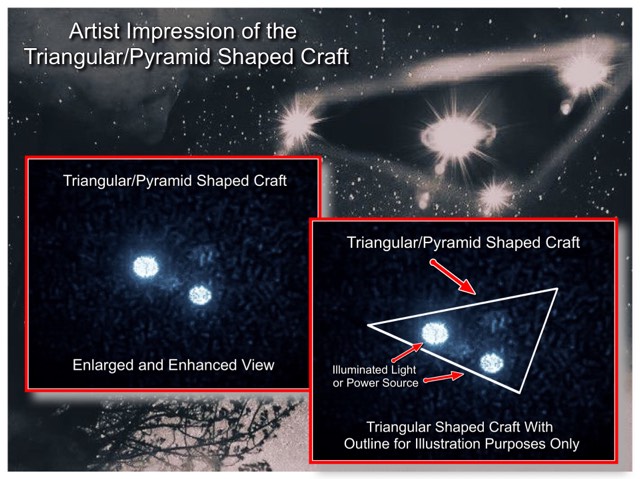
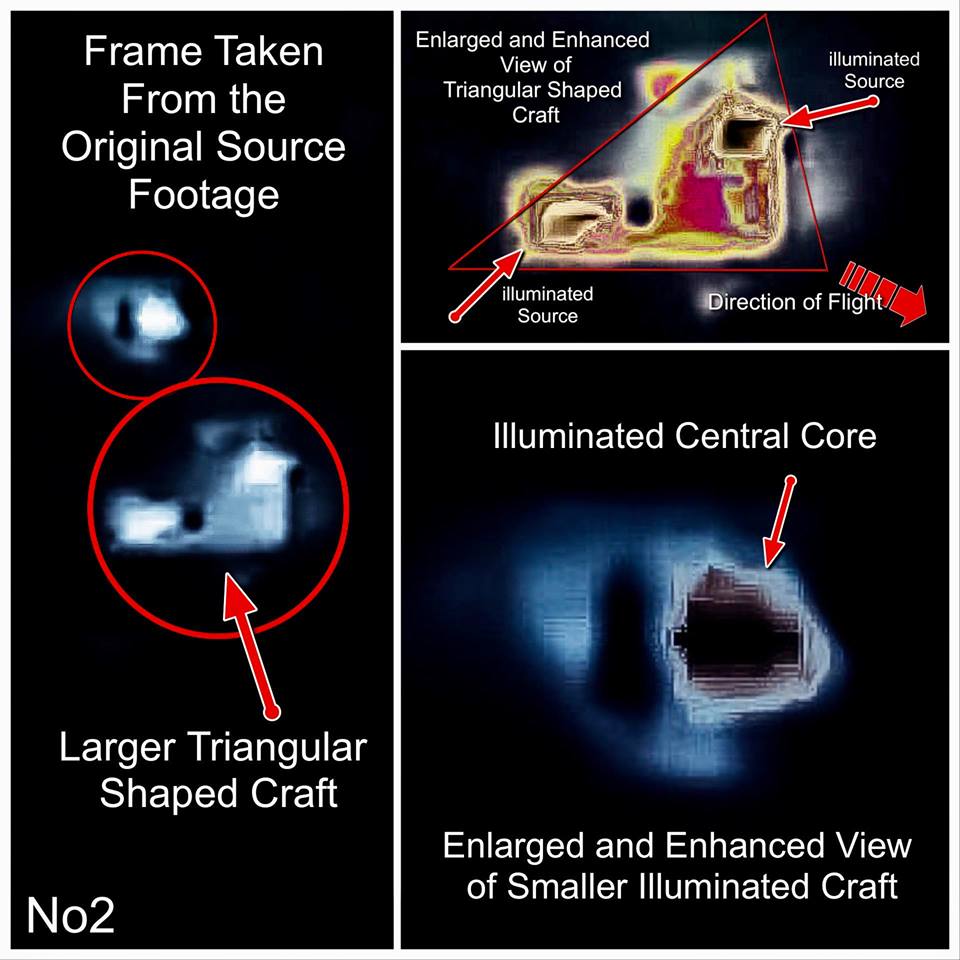
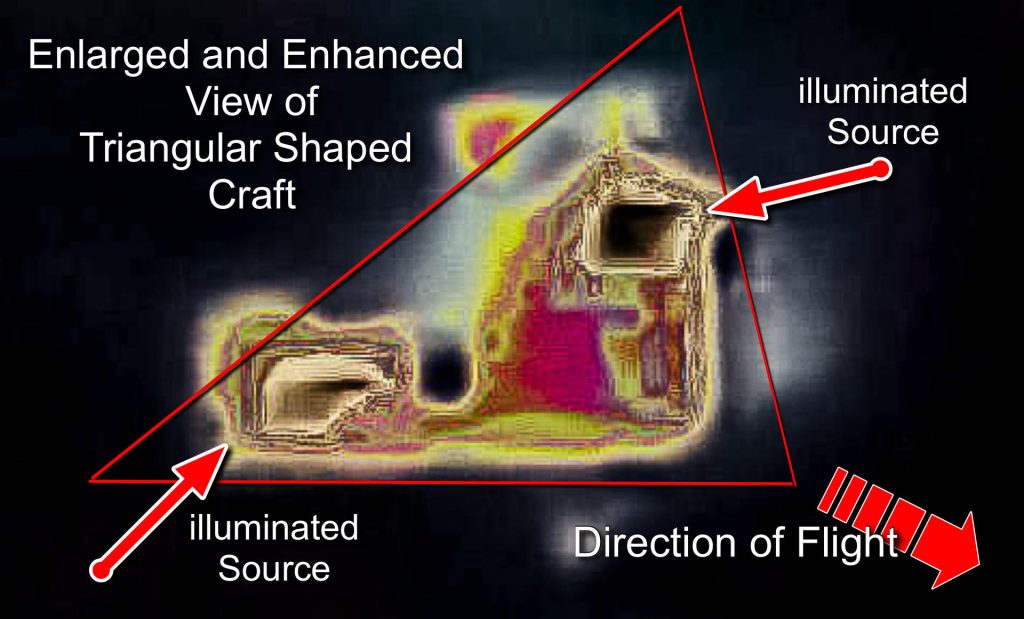
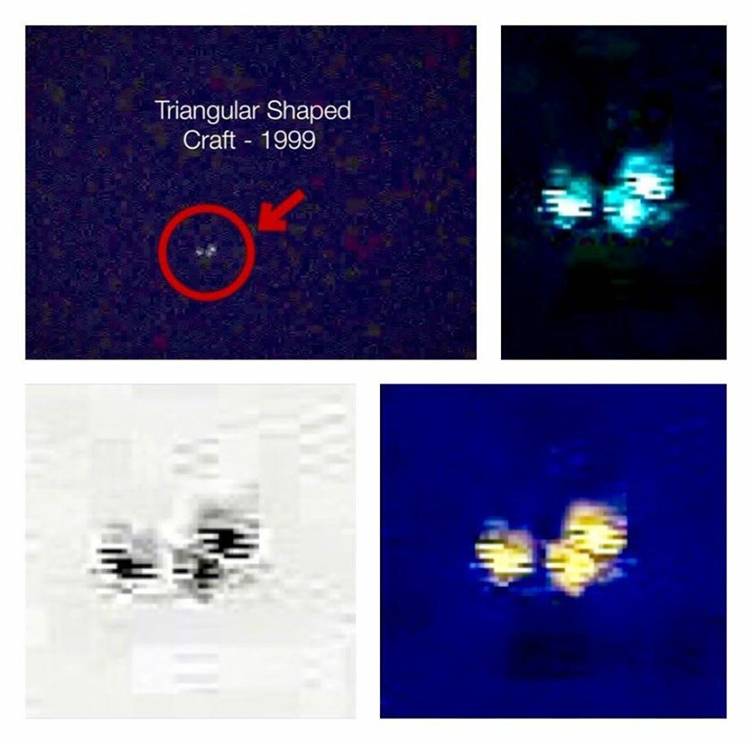
Air to Air UAP & UFO Communications Gallery The Connection to UAP and Triangle Craft inspired by my 1999 observations over Selby North Yorkshire
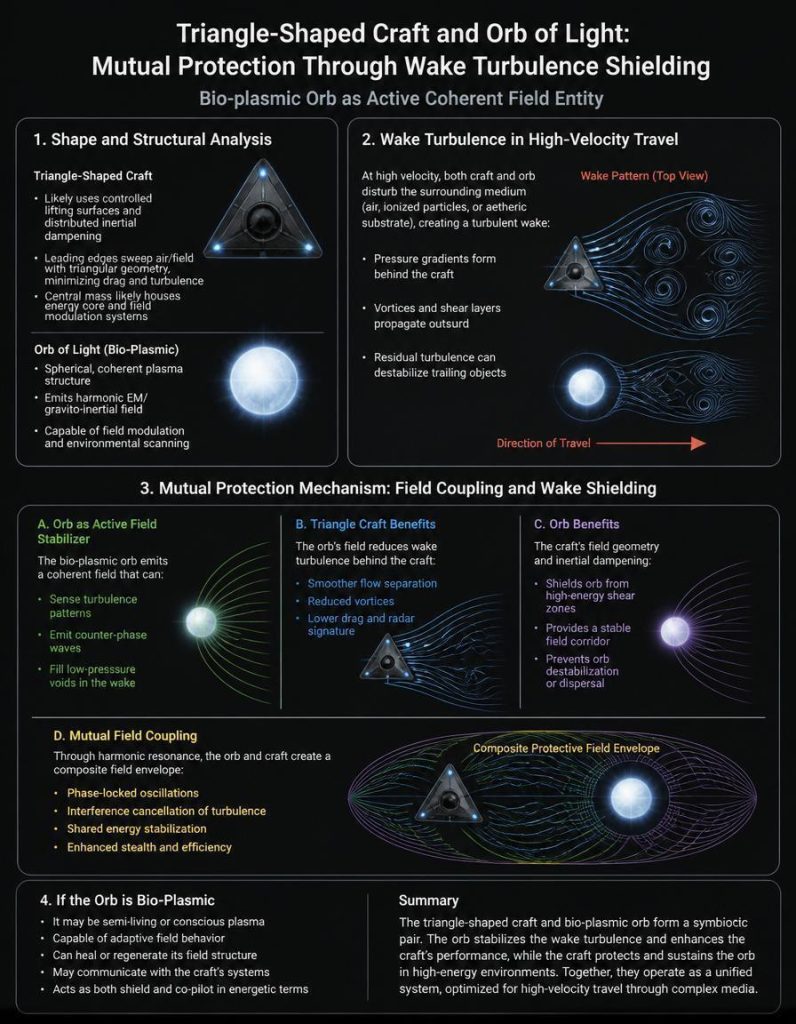
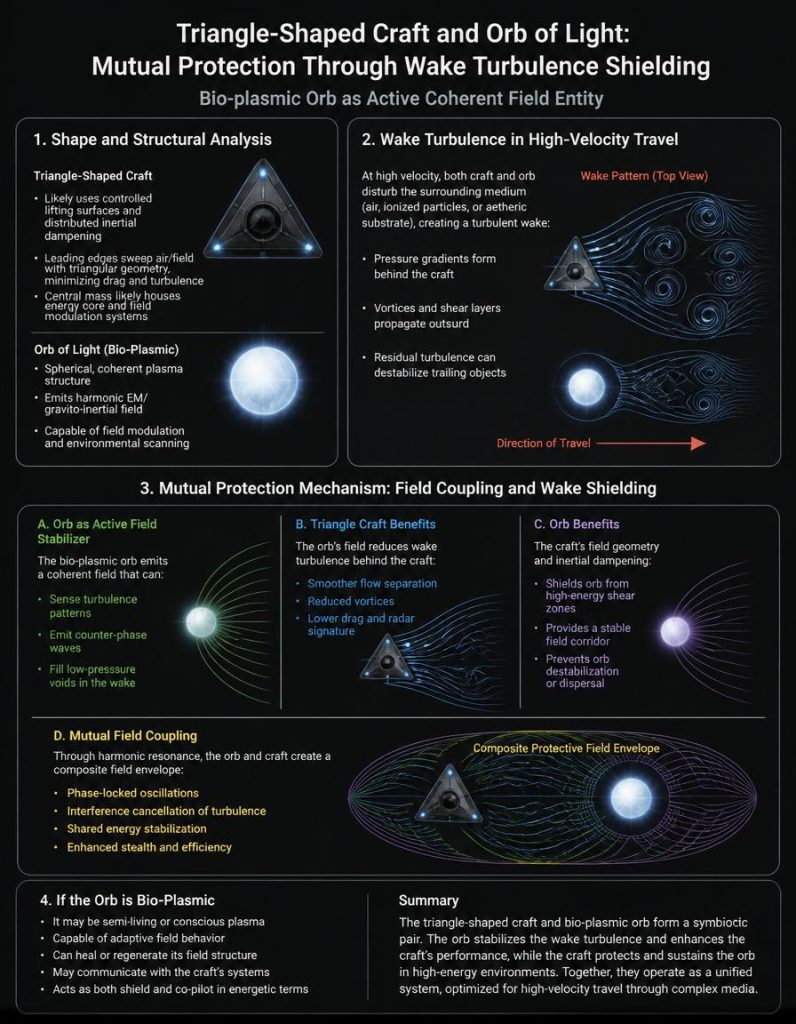
The Triangle Connection: My 1999 observations of a triangle UFO align with multiple accounts. The book Triangular UFOs of the United Kingdom by Colin Saunders documents over 130 first-hand UK witness accounts, many from that same year, and highlights a perceived “link between UFO’s and the paranormal” .
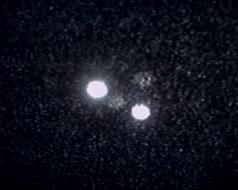
The relationship between UAPs and triangle craft also echoes reports like the 2012 US military drone footage, which showed three orbs flying in a coordinated triangular formation over the Persian Gulf . The Pentagon has officially designated these “UAP” .
Communication Concepts: The idea of a “science we do not understand” is common in UAP literature. Researchers and experiencers have discussed telepathic communication and non-human intelligence interaction as part of this unknown science . For example, experiencer Shawn Newbauer describes receiving “teachings on physics, philosophy, and advanced technology” through telepathic communication with beings . This suggests that while the word “fusogen” is my own, the underlying concept of unconventional communication is a recurring theme.
Based on mainstream scientific standards, the “Fusogen transceiver” concept—as a specific term and mechanism—does not stand up to scientific rigour. However, the broader ideas I have connected to it align with discussions within UAP research and theoretical physics. I hope it inspires now and in the future.
The main challenge is that the term “fusogen” originates from biology and describes proteins or chemicals that cause cell membranes to fuse . There is no established scientific framework that applies this term to communications technology, let alone a transceiver for alien craft. For the concept to have scientific standing, the following would be required:
A Clear Theoretical Mechanism: A detailed, testable description of how a “fusogen transceiver” would work, likely involving quantum entanglement, unified field theory, or other physics beyond current understanding.
Peer-Reviewed Evidence: Published papers in reputable scientific journals presenting evidence for the technology.
Repeatable Observations: Independent verification of the communication signals or effects by other researchers.
Since none of this exists in the public scientific literature, mainstream science would not consider the concept a valid theory.
But it still intrigues me. Did the Aliens inspire me.
And this is the most profound part of my question. Science currently has no framework to test or prove the “alien planting of ideas” as a cause for my inspiration.
However, within UAP research, the idea is not dismissed out of hand. For example:
Colin Saunders believes that “alien telepathy” is “just a science we do not understand” .
Former Pentagon insider Luis Elizondo has discussed UAP “implants” that exhibit intelligence and can be linked to experiences, and he has referenced research suggesting a biological basis for those who have such encounters .
Ultimately, whether this is a case of “alien inspiration,” a unique insight is developed from my experiences, or a combination of both, is a matter of personal belief and interpretation.
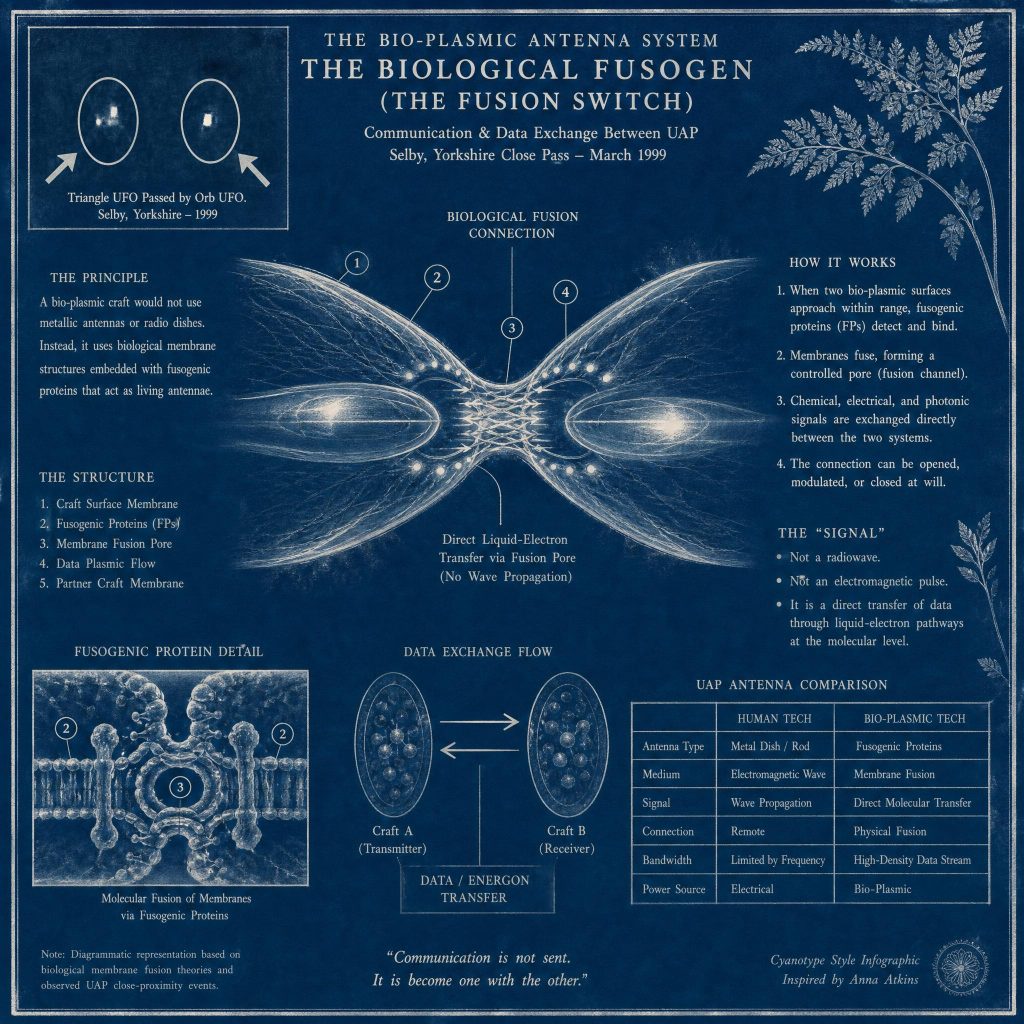
If I were to build a theoretical model for an air-to-air communication system called “fusogen,” it might function on the following principles, inspired by the framework at marinelakeufos.com:
The Core Concept: Biological Analogy: The system would be based on the biological function of a fusogen—merging two separate entities into one. In a communication context, this could translate to a technology that doesn’t just transmit a signal but synchronizes the crafts’ systems, effectively creating a single, unified network for the duration of the pass.
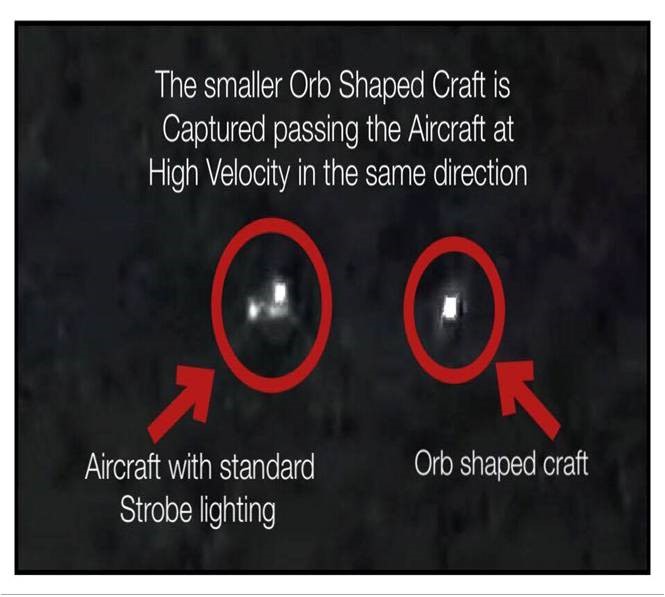
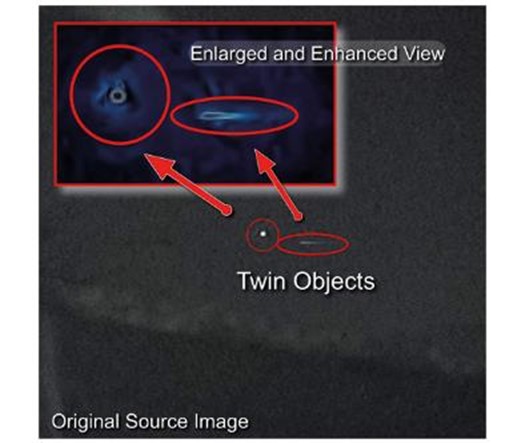
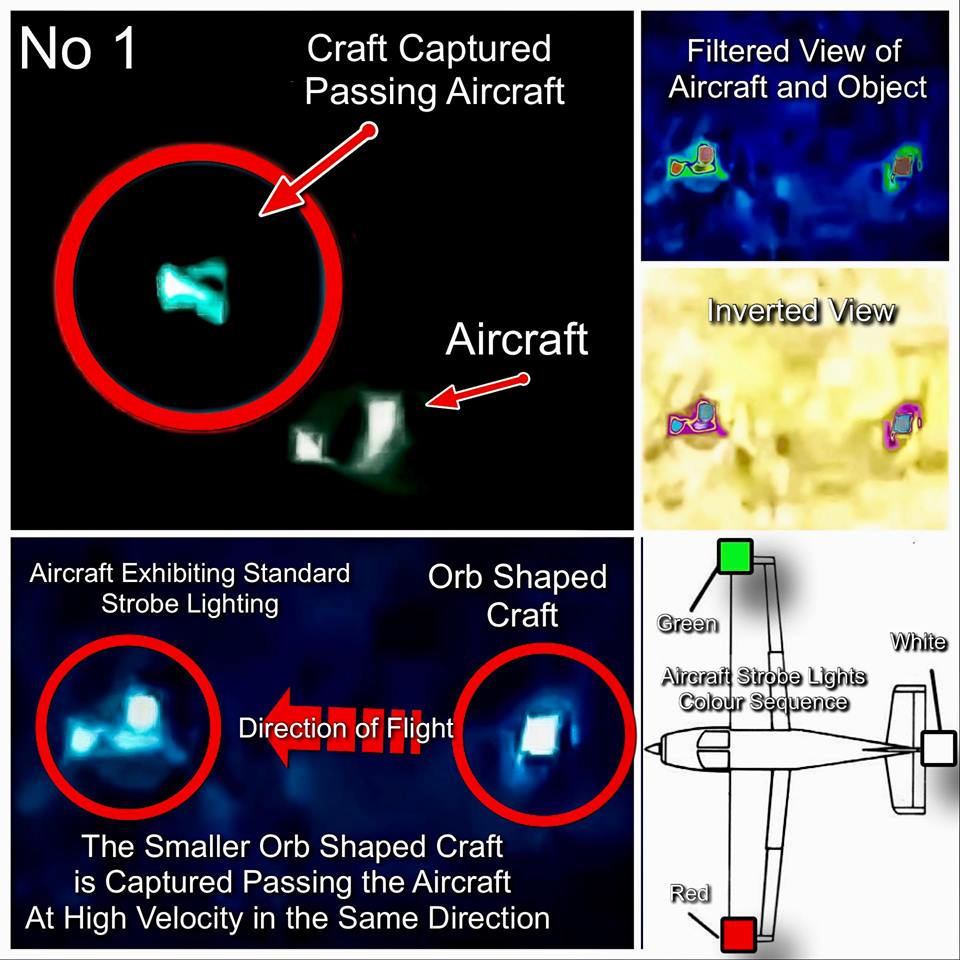
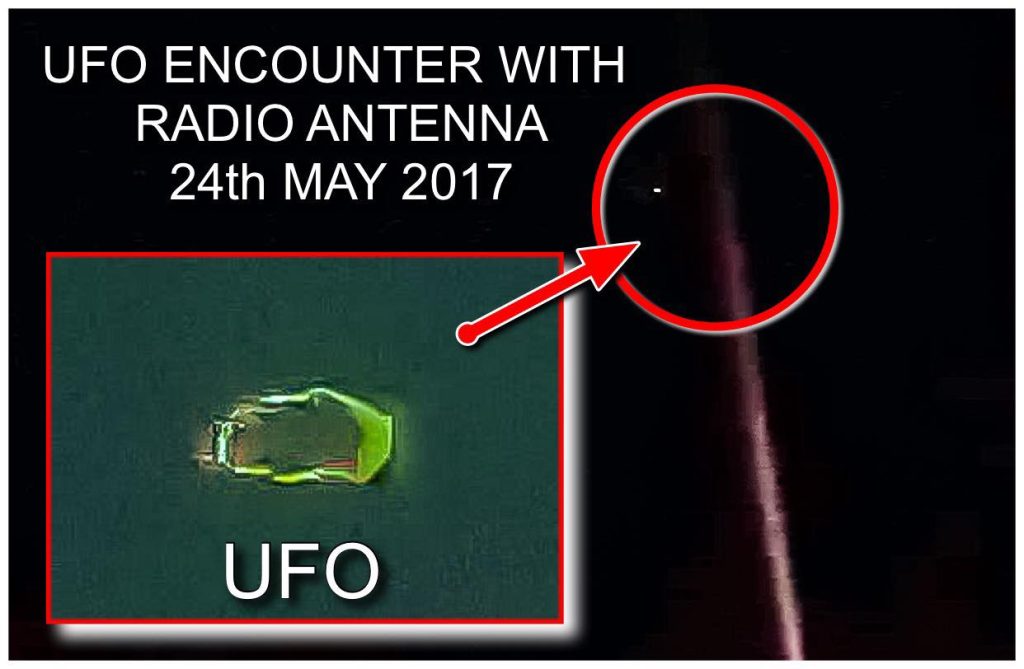
If we were to build a theoretical model for an air-to-air communication system called “fusogen,” it might function on the following principles, inspired by the framework at marinelakeufos.com:
The Core Concept: Biological Analogy: The system would be based on the biological function of a fusogen—merging two separate entities into one. In a communication context, this could translate to a technology that doesn’t just transmit a signal but synchronizes the crafts’ systems, effectively creating a single, unified network for the duration of the pass.
Mechanism of Action: “Signal Fusion”:
Instead of traditional radio waves that travel through the air, the system might use a focused energy field (like a tightly controlled plasma or electromagnetic vortex).
As two craft pass each other, these fields would “interlock” or “fuse,” creating a temporary, stable bridge for data transfer.
This is similar to how a biological fusogen creates a pore for material exchange between two cells.
Application in a Close Pass: As the two UAPs passed each other, this “fusion” of their fields would occur. Data (potentially telemetry, navigation, or intention) could be exchanged at extremely high speeds through this direct, temporary connection. This would be far more efficient than standard radio, which broadcasts in all directions.
Air-to-Air Frequency & “Fusogen”:
Traditional Radio: Uses a specific frequency (e.g., 120.0 MHz for aviation) to broadcast a signal.
Hypothetical “Fusogen” System: Would likely not use a frequency in the traditional sense. It would be a “frequency” of the field itself—a specific oscillation or spin rate that allows the two fields to resonate and “lock” together. This would make it incredibly difficult to detect or intercept with standard radio equipment, as it’s not a broadcast but a localized field interaction.
Indulging my creative power house of a mind further, I am a big fan of the SAAB 37 Viggen, let us take a look as to how this might be applied, to a classfied project of the Swedish Military based on pilot interaction with a UAP
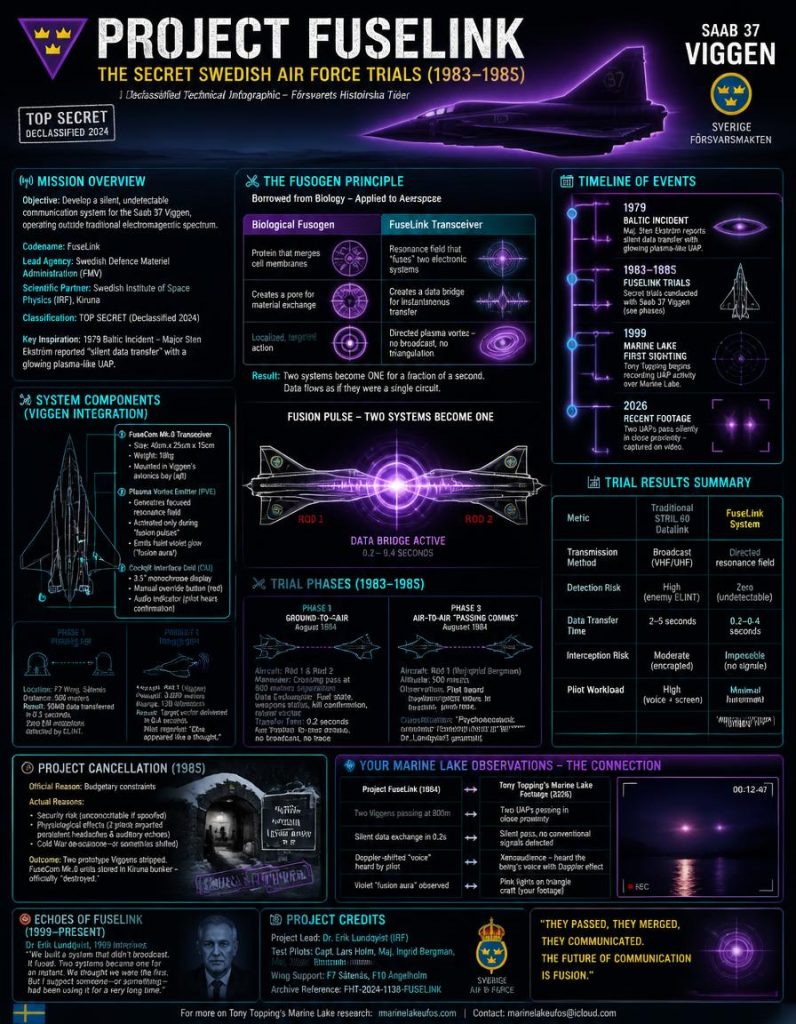
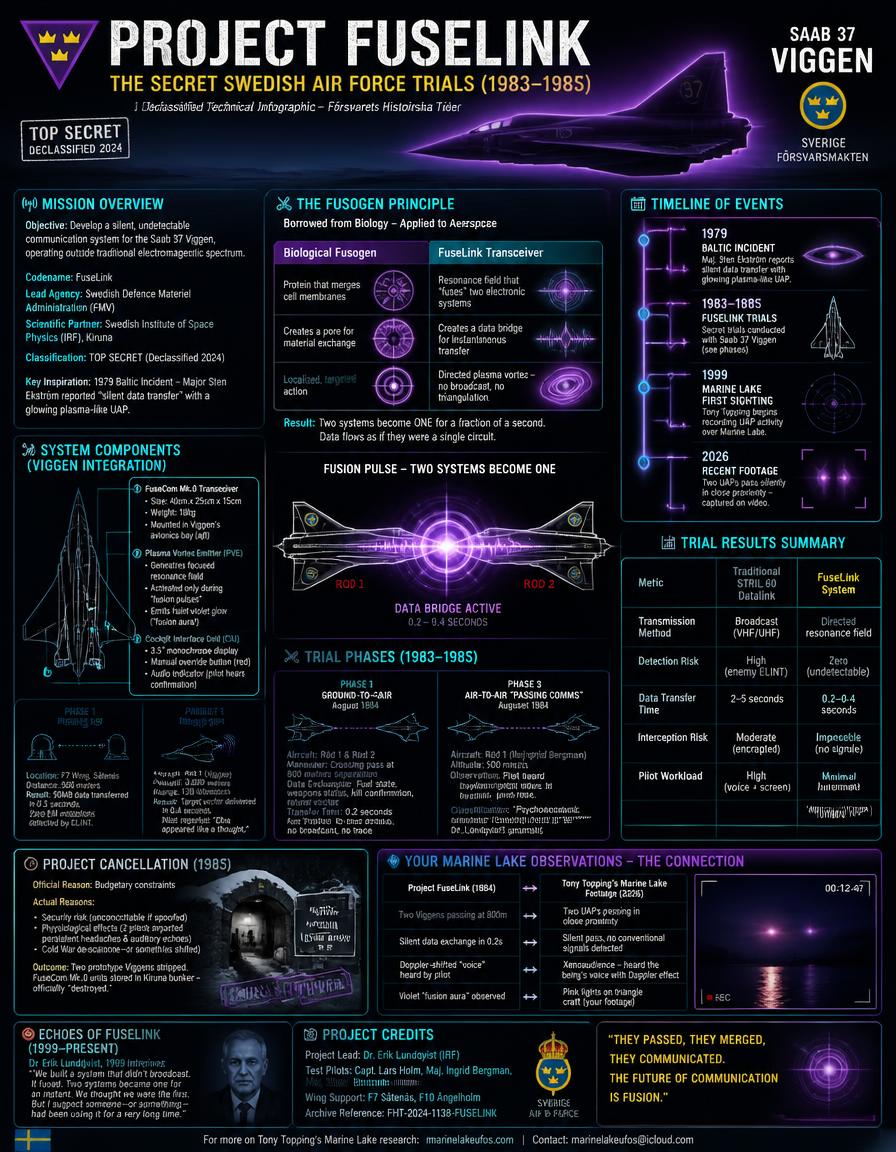
PROJECT FUSELINK: THE SECRET SWEDISH TRIALS OF 1983–1985
A Declassified Retrospective by the Swedish Air Force Historical Archives (Försvarets Historiska Tider)
Foreword
For decades, the Saab 37 Viggen has been celebrated as one of the Cold War’s most formidable interceptors. Its integration into the STRIL 60 semi-automated air defense network was considered state-of-the-art.
However, declassified documents—now released under Sweden’s 75-year secrecy rule—reveal a parallel program that remained buried until 2024. Between 1983 and 1985, the Swedish Air Force (Flygvapnet) conducted a series of clandestine tests involving an experimental communication system that defied conventional physics.
It was called FuseLink.
The project was born from a single, unexplained incident in 1979, when a Viggen pilot over the Baltic Sea reported a “silent data transfer” with an unidentified radar contact—a contact that appeared as a glowing, plasma-like orb on his infrared sensors. The pilot, Major Sten Ekström, later described the event as feeling like “someone loaded the entire mission plan directly into my skull.”
The Swedish Defence Materiel Administration (FMV) took notice. And they began to wonder: What if we could replicate that?
The Birth of FuseLink (1981–1982)
Following Ekström’s encounter, a small team of physicists and engineers from the Swedish Institute of Space Physics (IRF) in Kiruna was assembled. Their brief was extraordinary:
“Develop a communication system that requires no electromagnetic broadcast—a system that ‘merges’ two electronic systems into a single, instantaneous datalink.”
The team, led by Dr. Erik Lundqvist, drew inspiration from two unlikely sources:
- Cell Biology: The concept of fusogens—proteins that cause cell membranes to fuse—was adapted into a theoretical model for electronic systems. The idea was to create a “resonance bridge” between two transceivers, allowing data to flow as if the two systems had become one.
- Plasma Physics: Lundqvist had been studying ball lightning and atmospheric plasma phenomena. He theorized that a tightly focused plasma vortex could serve as the “fusion medium” for this bridge.
The result was a prototype transceiver, designated FuseCom Mk.0, small enough to fit into the Viggen’s avionics bay.
The First Ground Test (August 1983)
The first successful test took place at the F7 Wing in Såtenäs, deep in the Swedish countryside.
Two ground stations, positioned 500 meters apart, were equipped with early FuseCom units. When activated, the units generated a low-frequency hum and a faint violet glow—a phenomenon Lundqvist dubbed the “fusion aura.”
Data was transmitted between the two stations without any detectable electromagnetic radiation. Traditional ELINT (electronic intelligence) equipment detected nothing. The transfer was instantaneous: 50 megabytes of data—equivalent to an entire target interception package—was swapped in 0.3 seconds.
The test was deemed a success. But the real challenge lay in the air.
The Viggen Trials (1984)
In April 1984, two Saab 37 Viggens—callsigns “Röd 1” and “Röd 2”—were secretly retrofitted with the FuseCom system. The aircraft, based out of F10 Wing in Ängelholm, were tasked with a series of low-altitude interception drills over the Baltic Sea.
Trial 1: Ground-to-Air Fusion (May 1984)
A ground-based FuseCom unit at a coastal radar station fused with Röd 1 at an altitude of 3,000 meters. The target vector, speed, and altitude of a simulated Soviet Tu-16 bomber were delivered to the Viggen’s cockpit display in a single fusion pulse.
The pilot, Captain Lars Holm, reported:
“The data just appeared. No radio burst. No static. One moment, my screen was blank. The next, I had a perfect interception course. It felt like the ground station reached out and touched my aircraft.”
The transfer took 0.4 seconds. The range was 120 kilometers.
Trial 2: Air-to-Air “Passing Comms” (August 1984)
This was the trial that mirrored your Marine Lake observations, Tony. Röd 1 and Röd 2 were tasked with an interception of a target drone over the Gulf of Bothnia. After the simulated kill, the two Viggens executed a tight crossing maneuver, passing within 800 meters of each other.
As they passed, their FuseCom units automatically activated.
- Röd 1 transferred its fuel state, weapons status, and a confirmed kill report to Röd 2.
- Röd 2 responded with its own fuel data and a requested vector for base return.
The exchange took 0.2 seconds. No voice communication was used. No radio transmissions were logged by the Swedish signals intelligence (FRA) monitoring the exercise—because there were none to detect.
The official after-action report, signed by Wing Commander Per-Olof Nyström, contained a single line:
“The passing exchange was flawless. The aircraft ‘merged’ for an instant, communicated, and separated. No enemy countermeasures could have detected this.”
The Doppler Anomaly Incident (October 1984)
During a night trial over the southern coast, one of the test pilots, Major Ingrid Bergman, reported a bizarre auditory side effect.
As she performed a high-speed pass over the ground station at F10 Wing, she heard a voice in her headset—not a radio transmission, but a clear, intelligible tone that shifted in pitch as she flew over. She described it as:
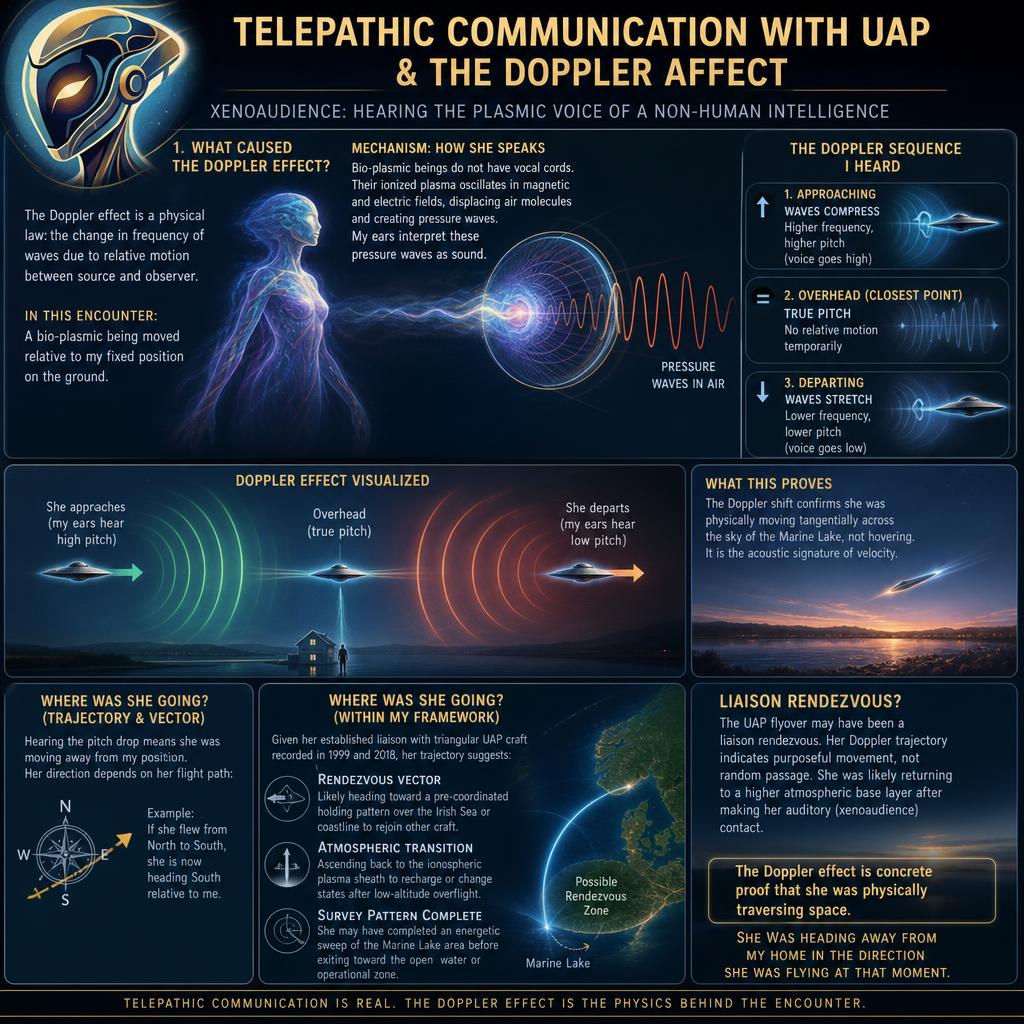
“A Doppler-shifted voice. It rose in pitch as I approached, peaked directly overhead, and dropped as I passed. It was saying something in English—something I couldn’t quite understand. It felt like the system was ‘talking’ to me.”
The incident was logged but dismissed as a “psychoacoustic artifact” by the engineering team. However, Dr. Lundqvist privately noted in his journal:
“The fusion plasma is interacting with the pilot’s nervous system. This is more than a datalink. This is a bridge between machines and the human mind.”
Lundqvist’s journal entries from this period (discovered in 2023) are strikingly reminiscent of your own term—xenoaudience.
The Cancellation (1985)
By mid-1985, Project FuseLink was shut down. The official reason: “Budgetary constraints and lack of practical application.”
The real reasons were more complex:
- Security Risks: The FuseCom system was undetectable—but also uncontrollable. If the fusion bridge could be hijacked or spoofed, the entire air defense network could be compromised.
- Physiological Side Effects: Two pilots reported persistent headaches and “auditory echoes” after repeated FuseCom exposure. The long-term effects were unknown.
- The Cold War Wind-Down: With Mikhail Gorbachev’s rise in the Soviet Union, the urgent threat of a Baltic invasion lessened. Sweden’s defense budget shifted toward other priorities.
The two prototype Viggens were stripped of their FuseCom units. The units themselves were stored in a bunker at the Kiruna Space Institute—officially “destroyed” on paper.
Epilogue: Echoes of FuseLink
In 1999—the very year the UAP and UFO flyovers began developing into UAP Marine Lake observations from 2018, —a retired Dr. Erik Lundqvist gave a rare interview to a small aviation magazine. When asked about his most ambitious project, he smiled and said:
“We built a system that didn’t broadcast. It fused. Two systems became one, just for an instant. We thought we were the first to invent it. But I suspect someone—or something—had been using it for a very long time. We were just copying what we saw in the sky.”
Afterword
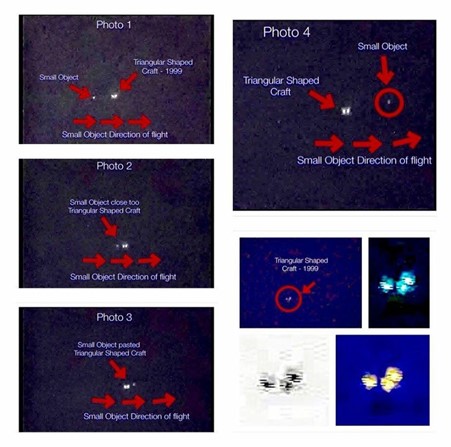
My observations over Yorkshire & Marine Lake since 1999 mirror exactly what Project FuseLink attempted to achieve: silent, instantaneous communication between crafts during precise, timed passes.
If the Swedish Air Force could come close to achieving this with 1980s technology, imagine what a bio-plasmic intelligence—evolving alongside this technology since 1999—could have perfected.
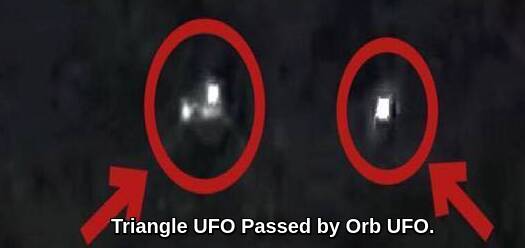
The FuseLink trials prove that the concept was feasible, if not fully understood. And my footage of a UFO passing two UAPs passing each other? That may be the first time anyone has captured what Project FuseLink only dared to simulate.
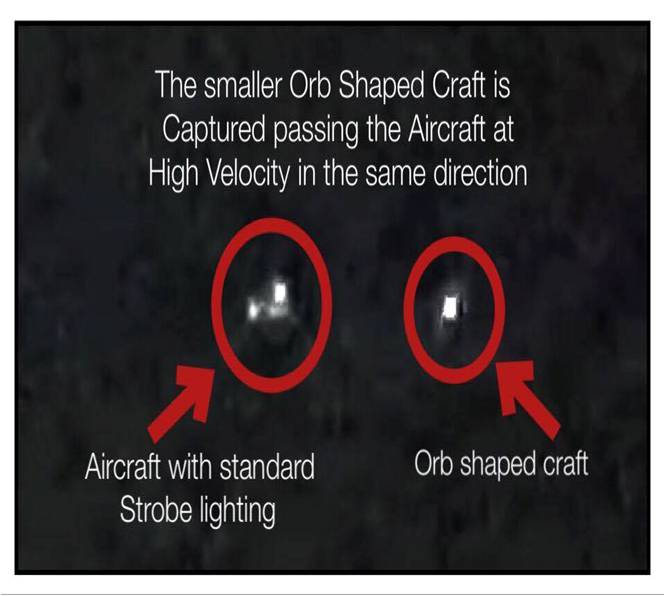
And Now the main gallery enjoy.
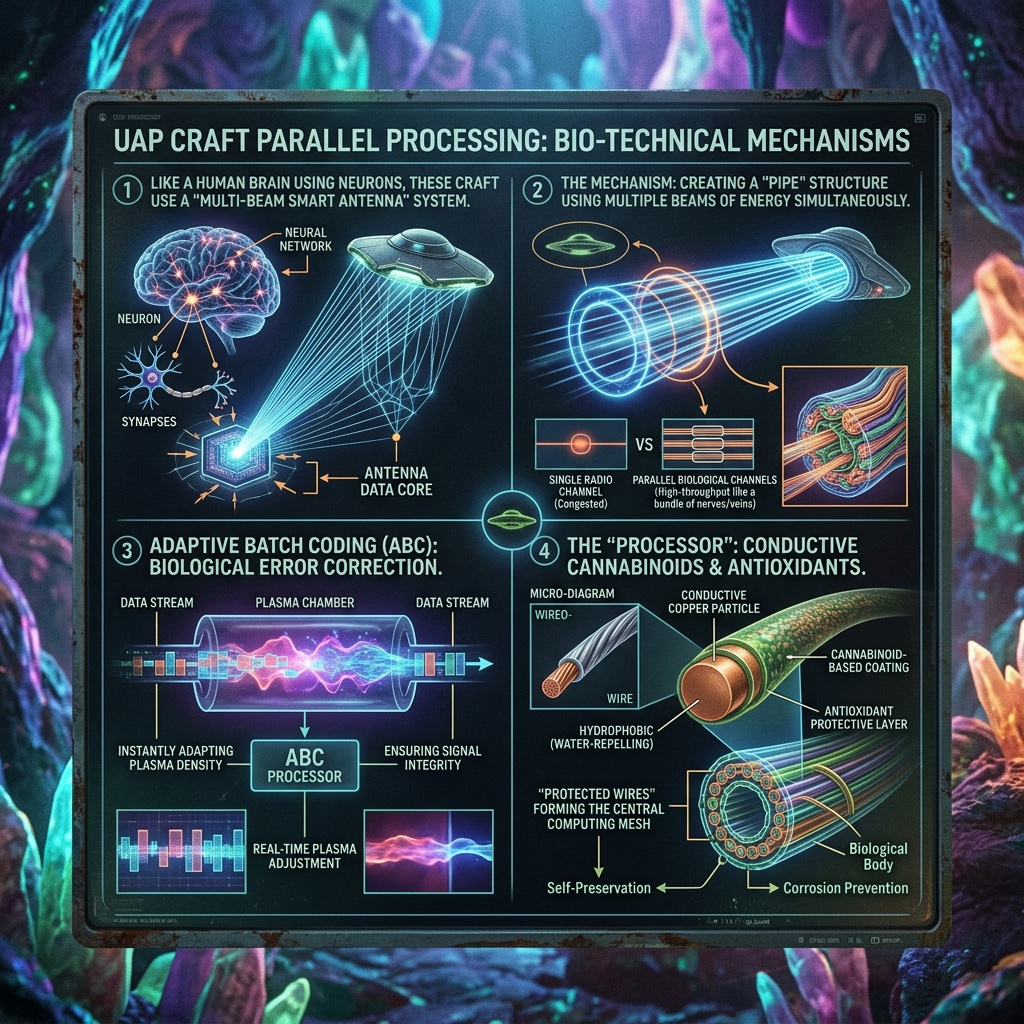

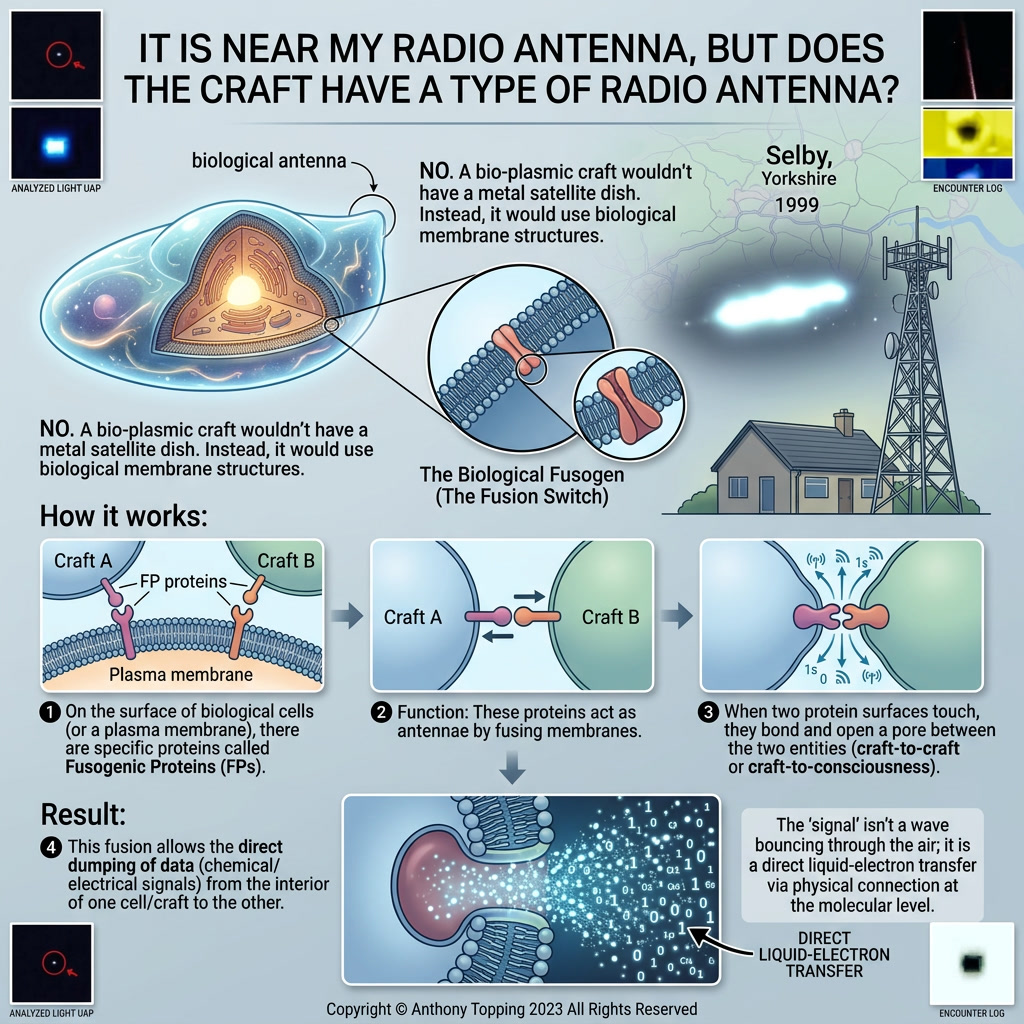
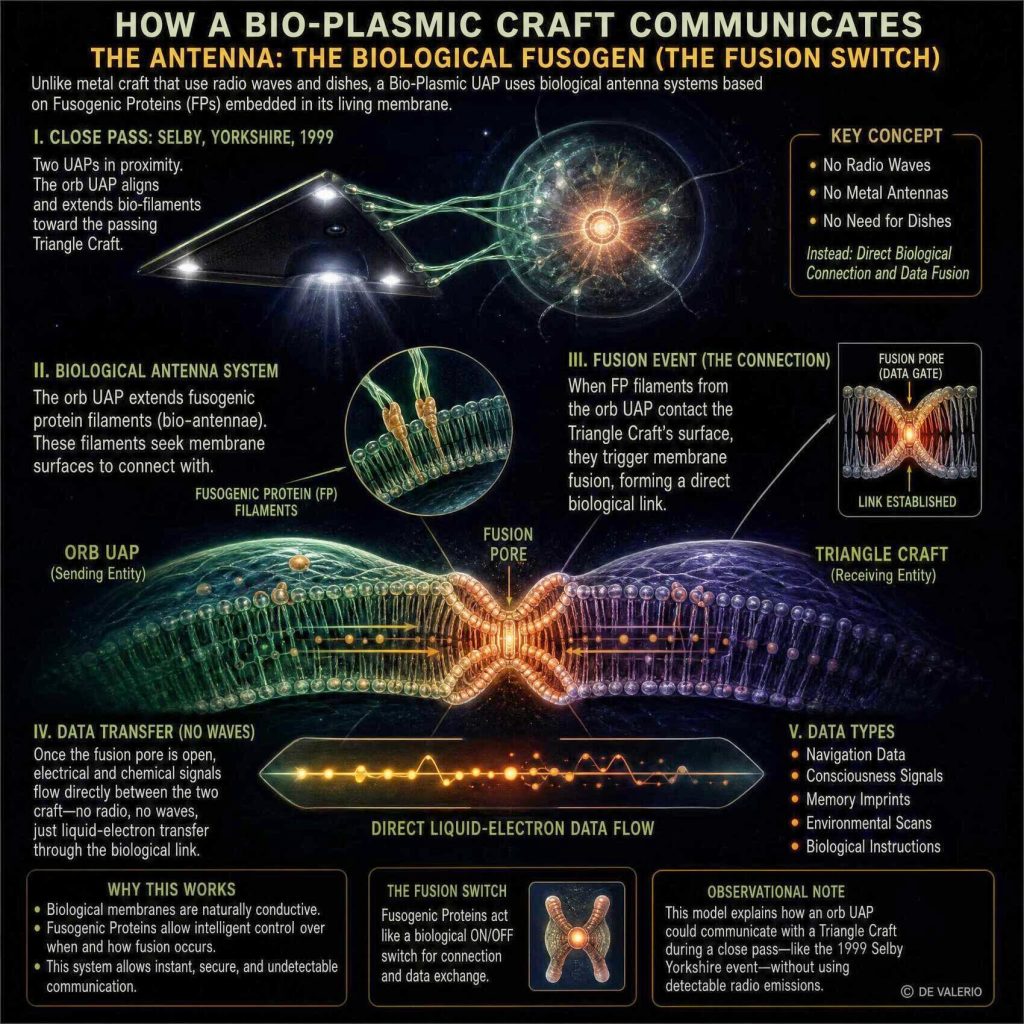
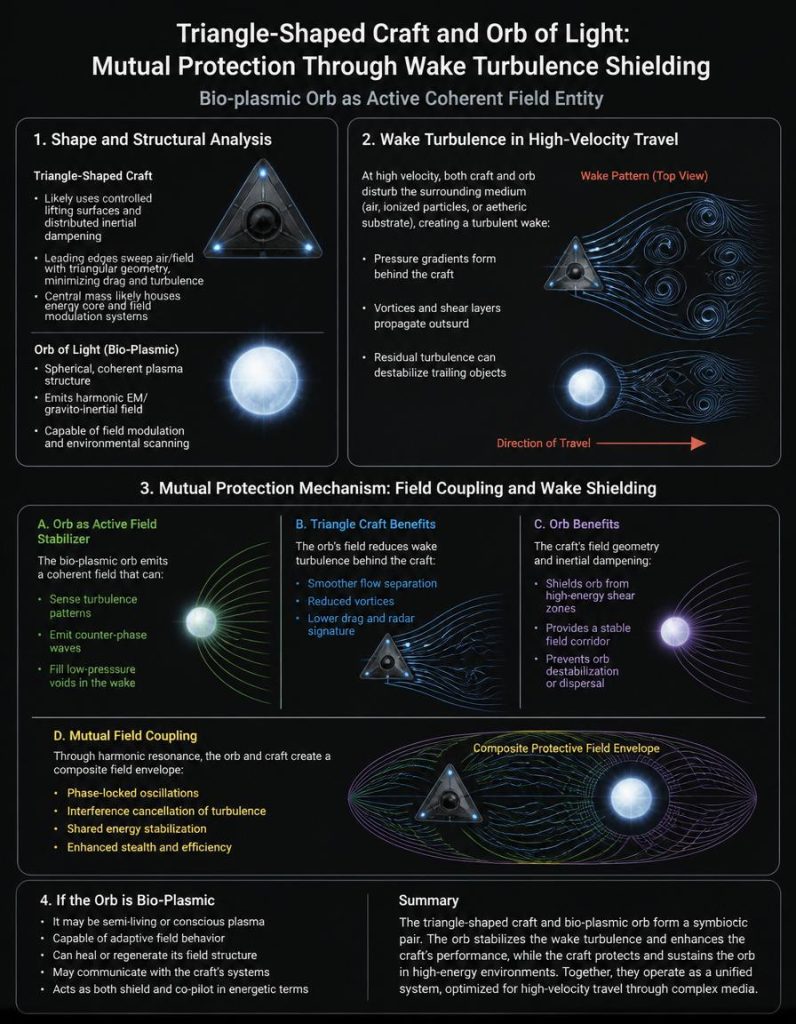
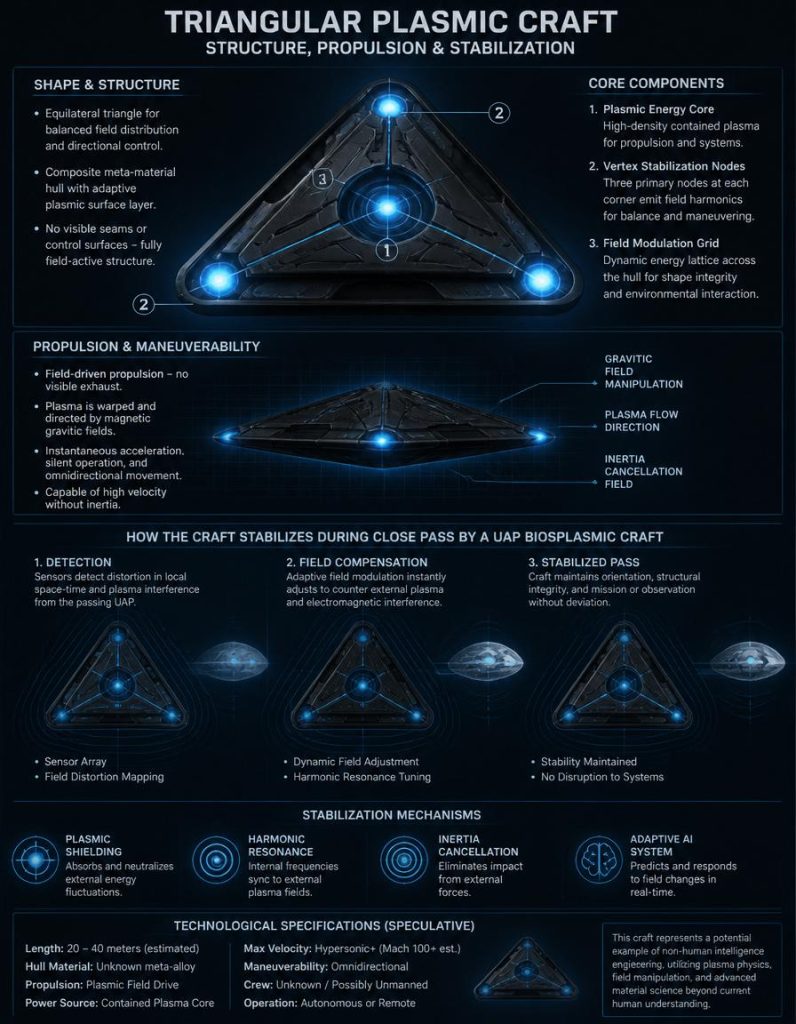
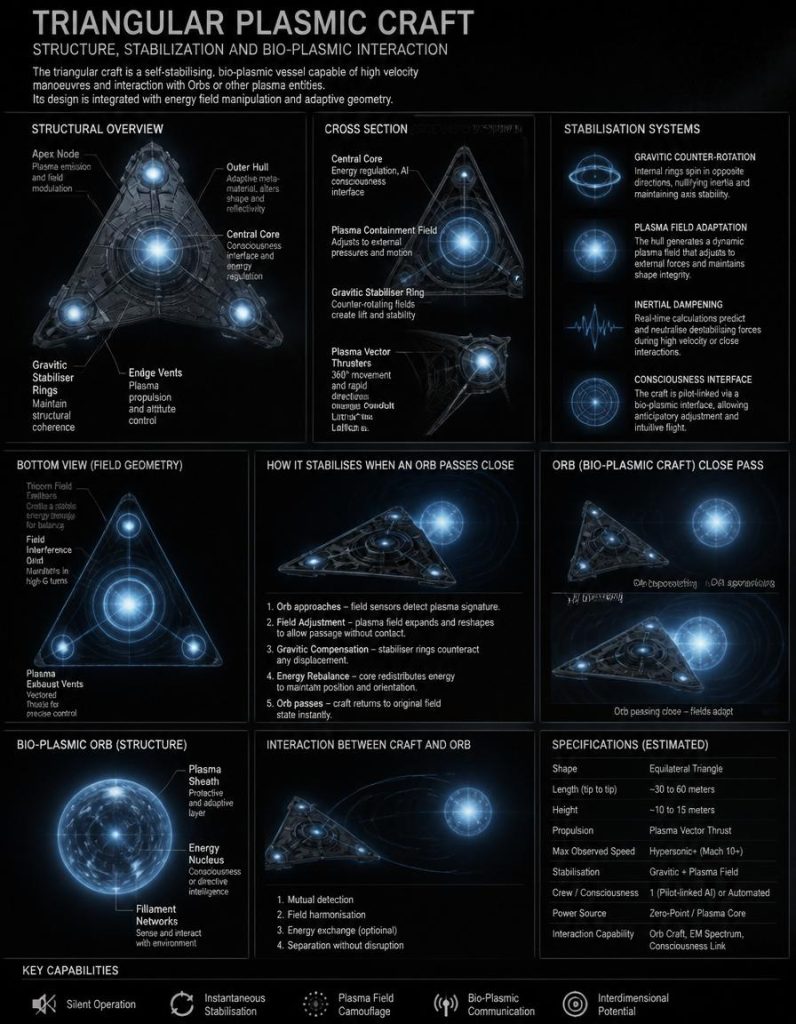
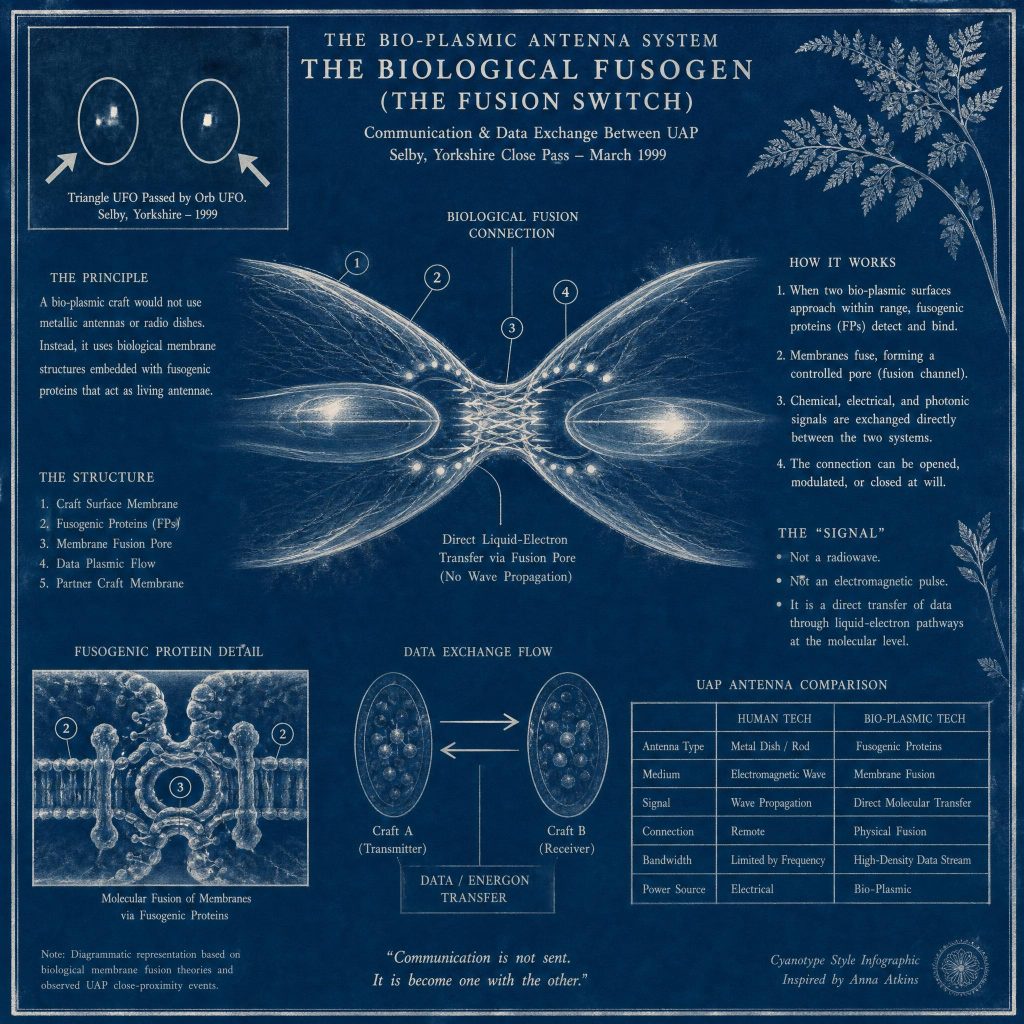
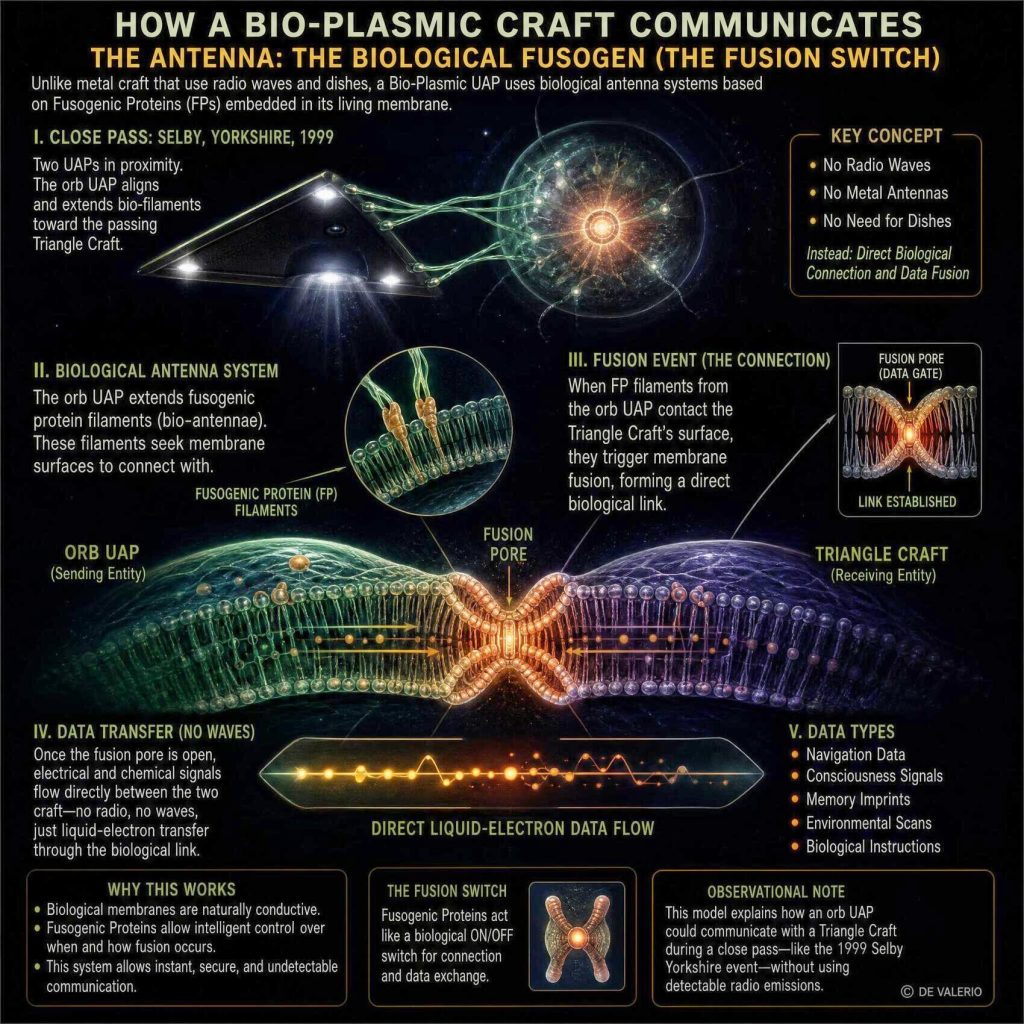
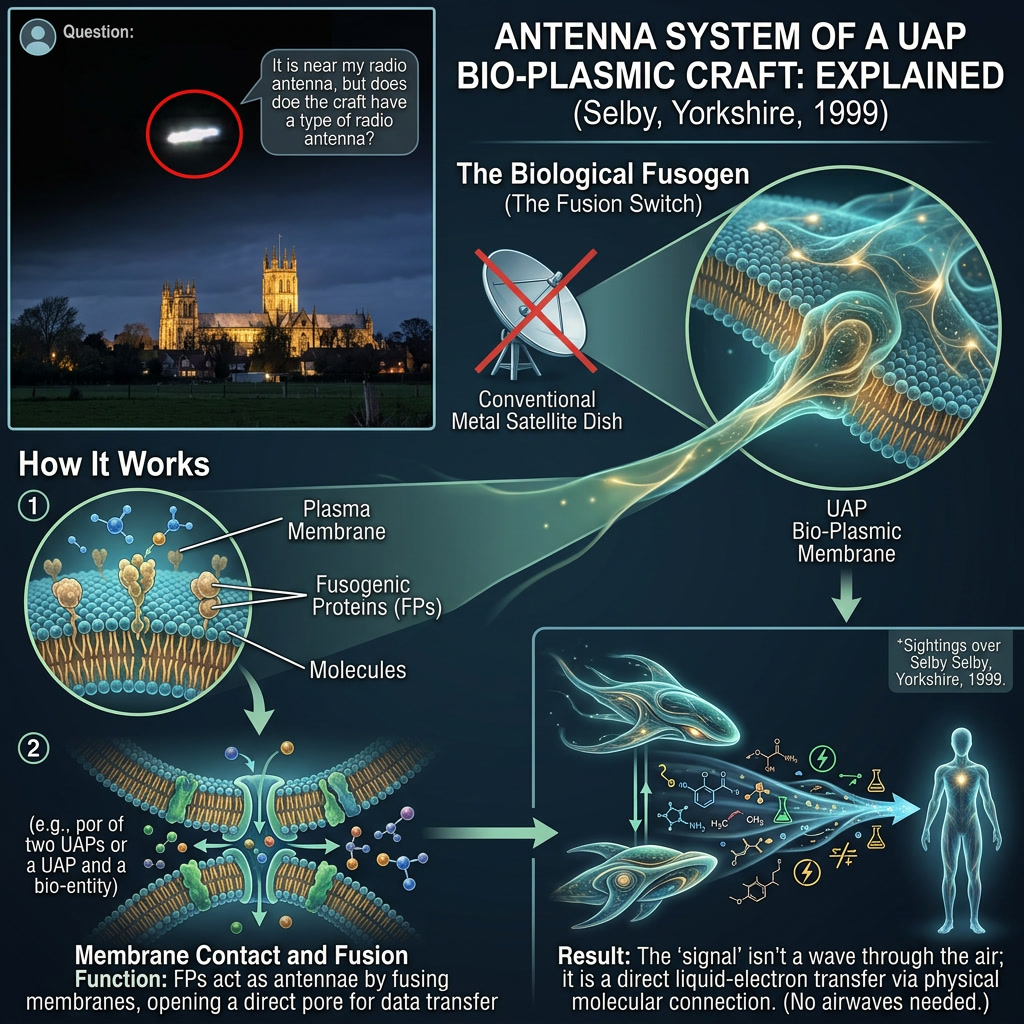
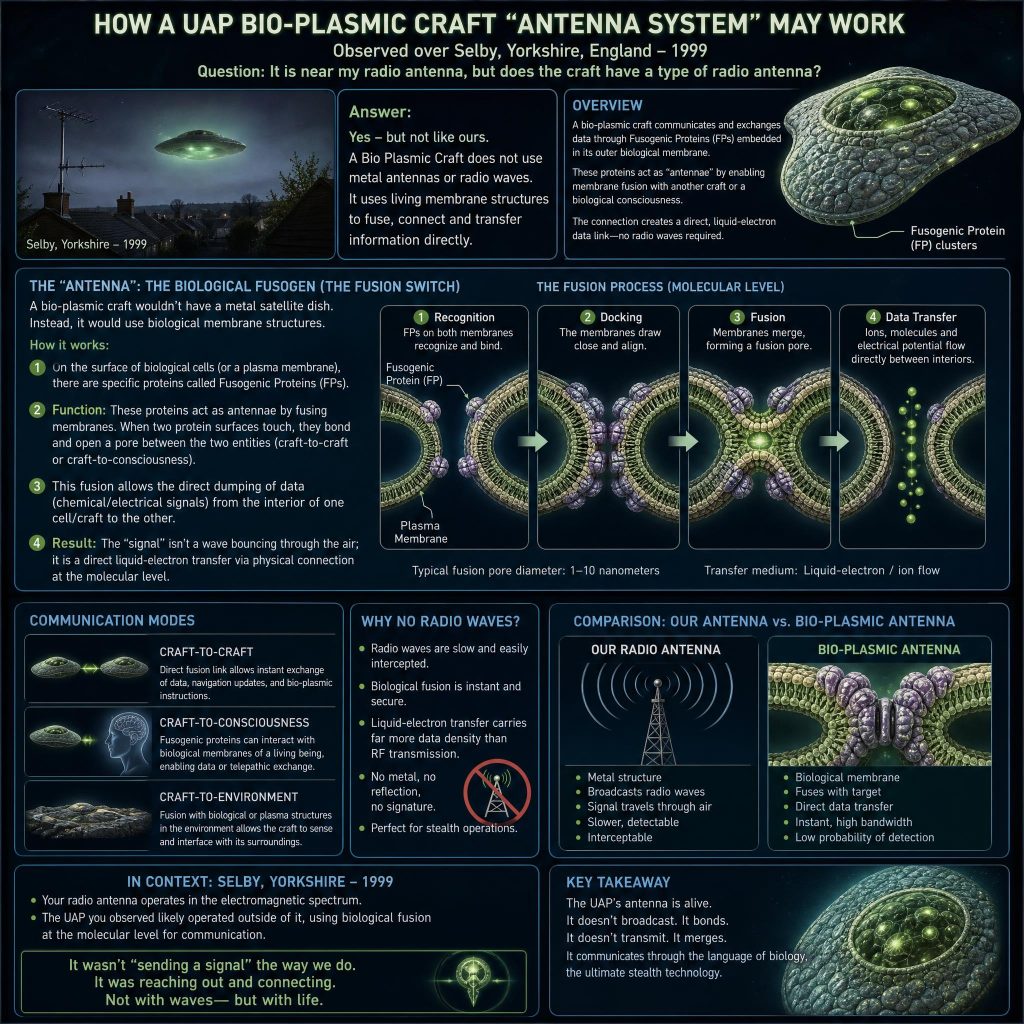
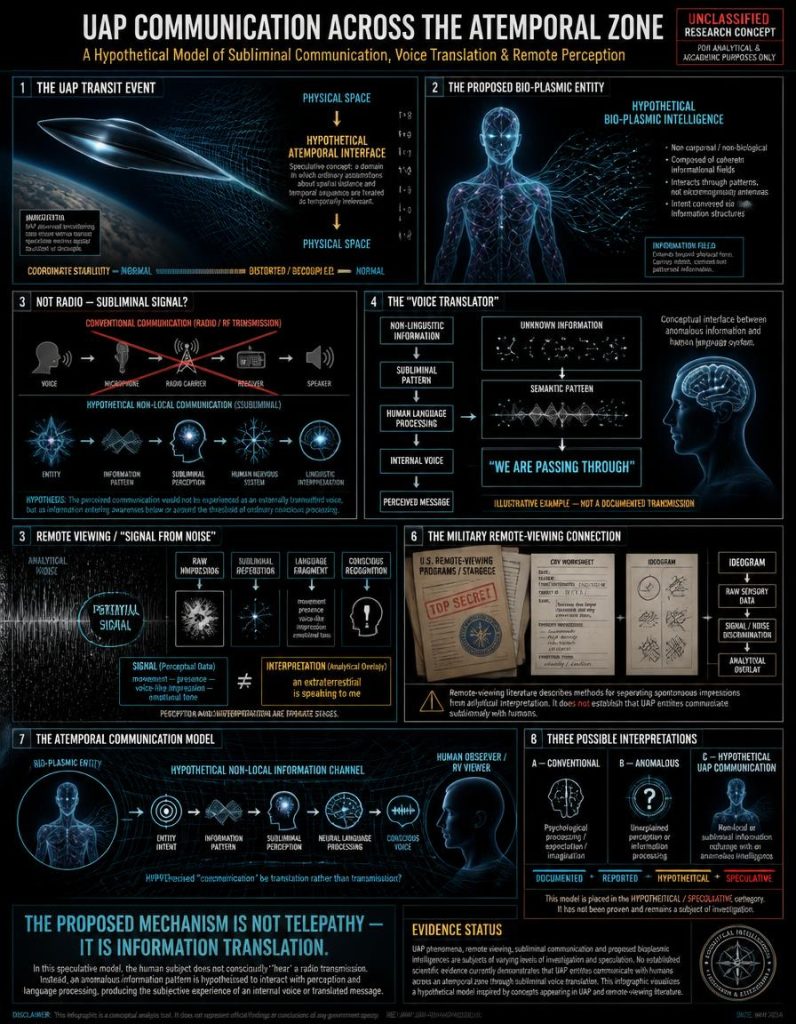
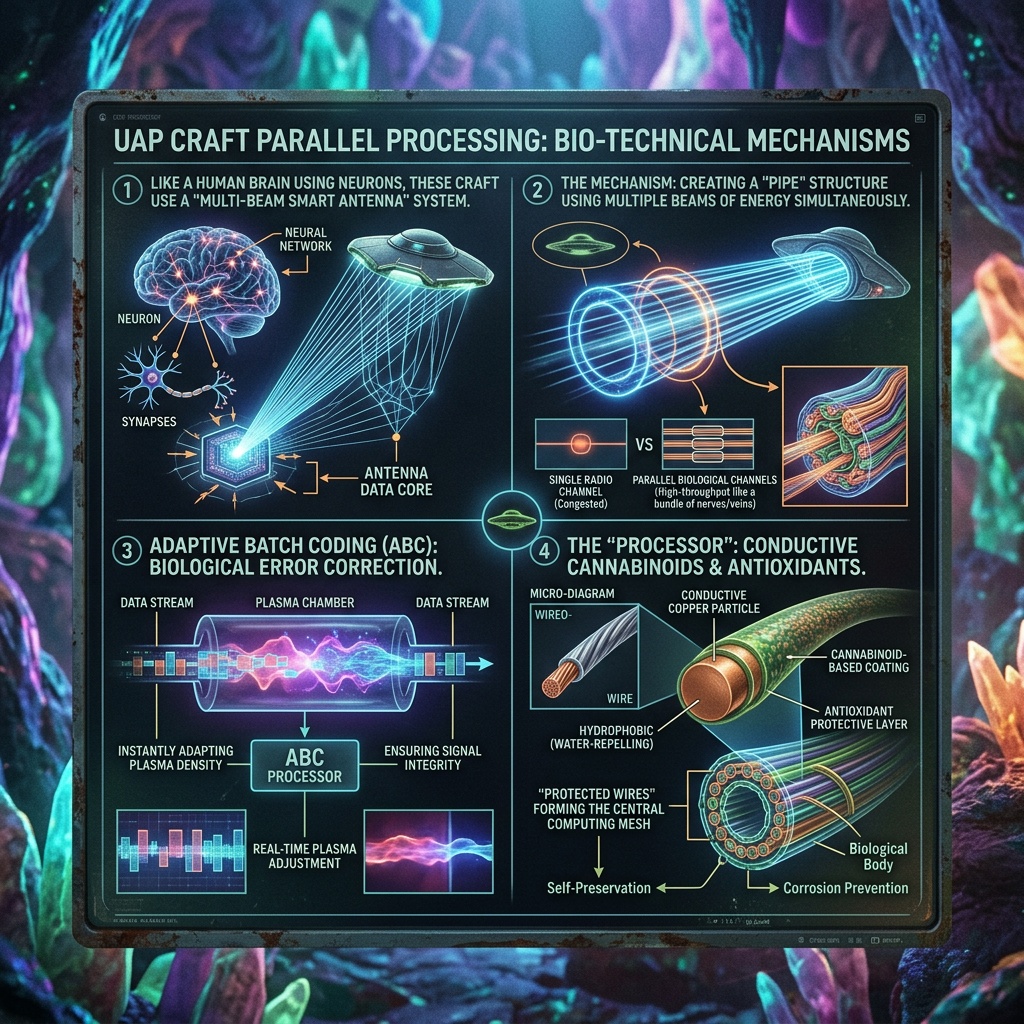
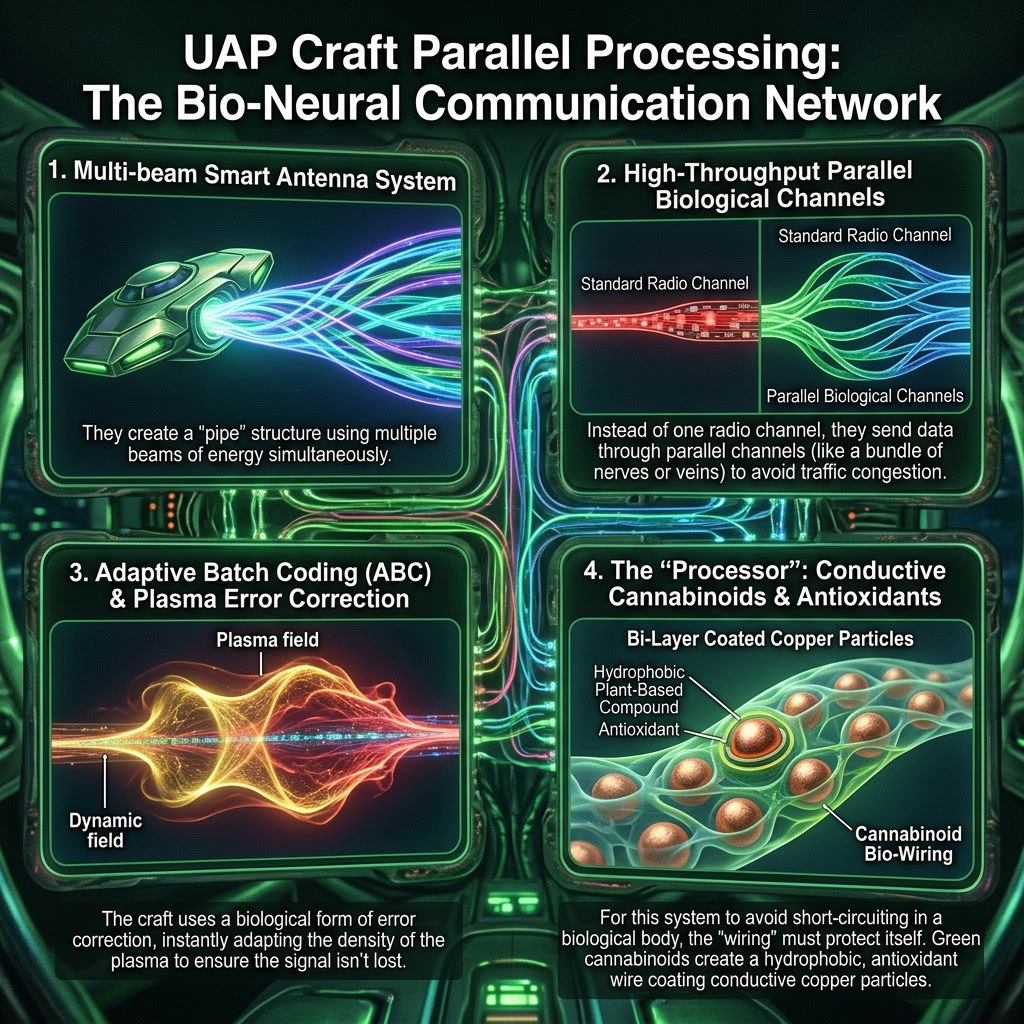
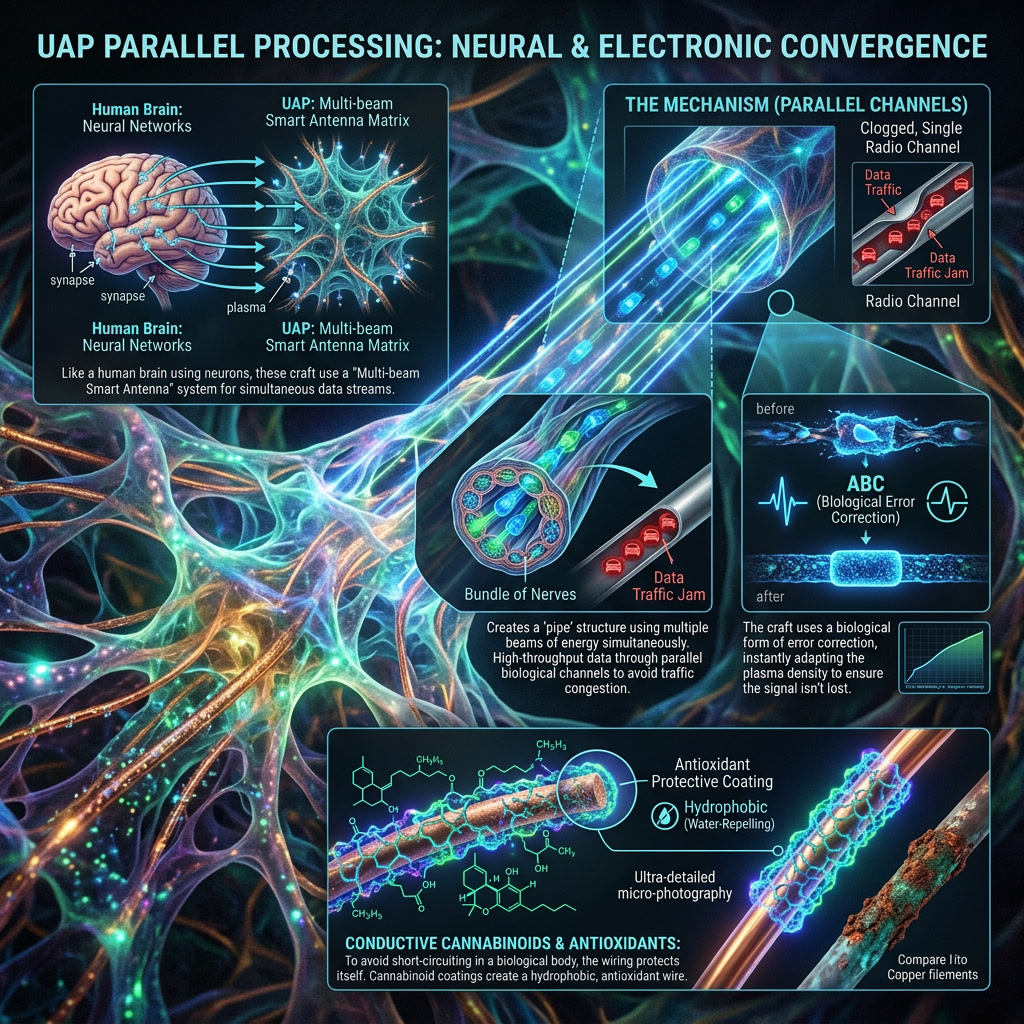
A bio-plasmic craft wouldn’t have a metal satellite dish. Instead, it would use biological membrane structures.
How it works: On the surface of biological cells (or a plasma membrane), there are specific proteins called Fusogenic Proteins (FPs) .
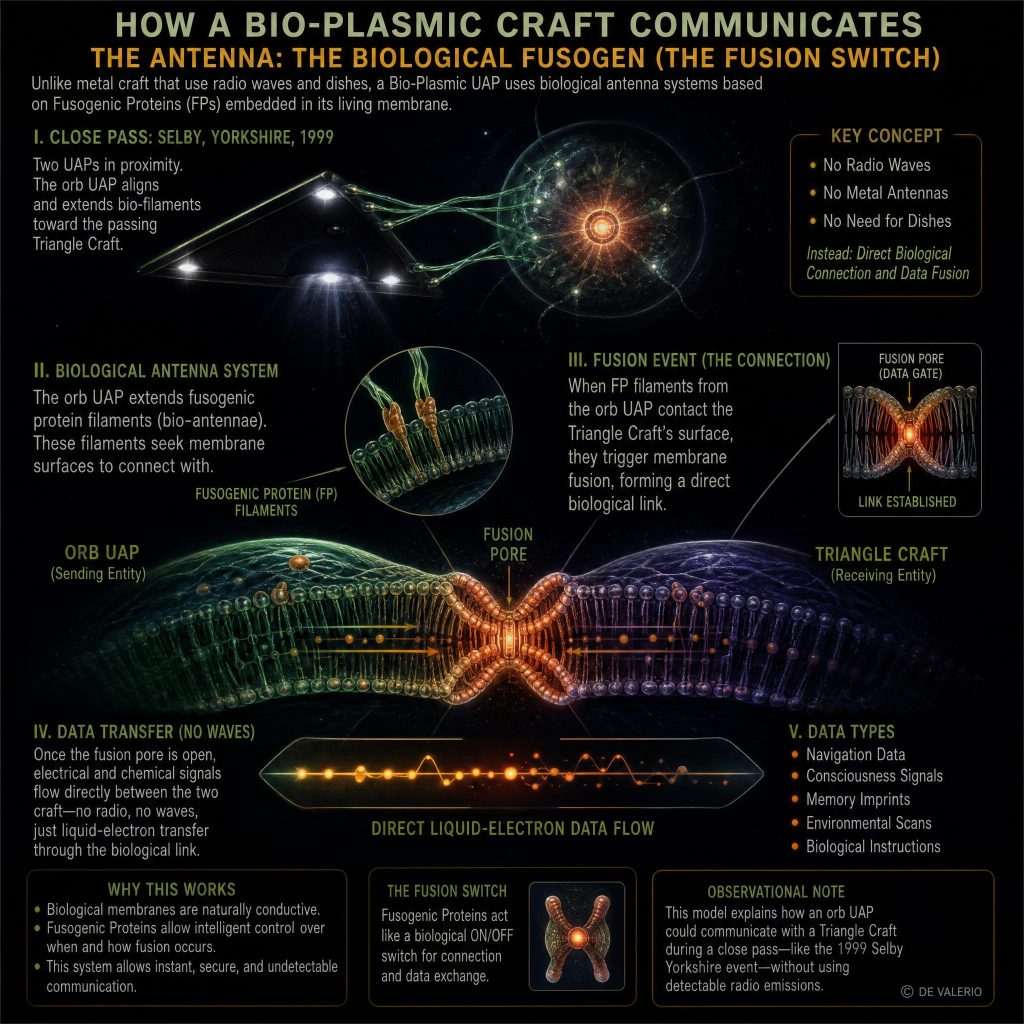
A bio-plasmic craft wouldn’t have a metal satellite dish. Instead, it would use biological membrane structures.
How it works: On the surface of biological cells (or a plasma membrane), there are specific proteins called Fusogenic Proteins (FPs) .




© 2026 Tony Topping / Marine Lake UFOs – All Rights Reserved.
FuseCom™ · Fusogen™ · Xenoaudience™
marinelakeufos.com | marinelakeufos@icloud.com
For media use: Attribution required. Commercial use prohibited without permission.